Steady
Compounding growth, month after month
$2,500/ month
- 10 new or revamped pages a month
- 6 earned links and mentions a month
- Up to 5 community engagements a month
- 250 AI prompts tracked
- Shared Slack channel
- Strategy calls on Slack every two weeks
Built for B2B SaaS only. Our SEO experts decide what to fix and build, check every page before you see it, and use SEOmator's agent for the legwork: information gain content, technical fixes, earned links and generative engine optimization (GEO) for AI search. Nothing goes live until you say yes.
 Playbook by Emre Elbeyoglu, Founder & CEO · 16+ years in B2B SaaS SEO and growth
Strategy roomExample client

Then · what went wrong
140 posts any AI could have written
The same answers as every rival. AI Overviews now give those answers, and after the March 2026 core update the clicks are gone.
Core update
Now · what we see
Next · the call
Stop commodity posts. Publish what only you can know.
Decided by Emre · Strategy
MertSent the plan to you for approval
TechnologyChecker.io, September 2026: 15,110 visits from Google, 995 from AI assistants. Read the story
Rather run it yourself? See the platform plans
Two packages on the same playbook, agent and team: Steady at $2,500 a month and Scale at $5,000. The difference is volume and speed.
In both packages
Compounding growth, month after month
$2,500/ month
For teams with a target to hit sooner
$5,000/ month
| Every month | Steady · $2,500 | Scale · $5,000 |
|---|---|---|
| New and revamped pages | 10 | 25 |
| Earned links and mentions | 6 | 20 |
| Community engagements (Reddit, Quora, G2) | Up to 5 | Up to 15 |
| Branded subreddit management | – | Included |
| AI prompts tracked | 250 | 500 |
| Strategy calls on Slack | Every two weeks | Weekly |
| Turnaround | Standard | Priority |
Included in both packagesExamples, not client data
Ongoing guidance grounded in your business, your buyer journey and your competitors. Our playbook decides what to fix, what to build next and what to leave alone.
We mine real buyer questions from forums, reviews and call transcripts, then find the searches and AI prompts closest to a signup.
New pages built on what only you can publish: findings from your first-party data, surveys and expert interviews. Each leads with a number no competitor has, so it adds what the top results and AI answers don't already say.
We track prompts and citations and work out what makes AI answers recommend a brand, then change your pages so the engines can quote you.
A short list of high-impact fixes, not a 300-row export: crawling, indexing, speed, schema, structure and AI crawler access.
We pitch you for the lists and roundups AI answers cite, and answer the Reddit, Quora and G2 threads your buyers read, with your affiliation disclosed. Volume depends on your package.
Rankings, AI citations and the signups they bring, read from your Search Console, Analytics and CRM data, in a weekly loop that steers the roadmap.
We find the sites your buyers and AI answers already trust, give each one a reason to link and follow every pitch until the link is live. Volume depends on your package.
Your existing pages kept current: stale figures swapped for fresh first-party ones and sections rewritten where search moved on, made in your CMS once you approve. A real update, not a new date on old copy.
Success stories
Every number names its source and the day it was measured, so you can check it.

 TechnologyChecker.io
Keywords in Google's top 3 · Ahrefs, 10 October 2026240
Mehmet Suleyman · Founder, TechnologyChecker.io
TechnologyChecker.io is a paying SEOmator client.

SEOmator
of March's Google clicks back in the 28 days to 18 October 2026 · Search Console93%
Emre Elbeyoglu · Founder & CEO, SEOmator
seomator.com is our own site, not a client's.
Our playbook, the SEOmator agent and our SEO team, working as one system that turns buyer demand into signups.
We mine buyer questions from sales calls, forums and reviews, map search demand to the buyer journey, and put the opportunities closest to revenue first.
The agent studies what ranks and what gets cited, builds the roadmap, drafts the pages and tracks visibility, traffic and signups in one weekly loop.
Our SEO team refines the plan, reviews every draft and runs the work beside yours: content, technical fixes, links, mentions and community. You approve each change.

We work as an extension of your team in Slack, in the open the whole way. The weeks below are the playbook.
You sign off
Week 1
A brand discovery questionnaire: what sets you apart, your competitors, buyer personas and pains, target markets, and the questions your buyers ask Google and AI.
Your positioning, buyer journey, ICP and product, and how your sales team wins deals. We set up access to Search Console, Analytics and your CMS.
We write your brand, positioning, ICP and buyer language into the knowledge base the agent works from, so every draft starts from what you know.
A full SEO baseline: your top keywords and pages, each competitor's organic footprint, keyword gaps, authority and backlink profiles.
Reporting in SEOmator from your Search Console, Analytics and CRM data. We agree the scope with you; your team makes any backend changes, with our guidance.
Week 2
We cluster your keywords into topics and map AI prompts to each stage of the buyer journey, so every search intent has a place on the plan.
A full technical audit (crawling, indexing, site structure) and an AI search visibility audit: where AI answers show you, and where they leave you out.
A ranked plan of what to create, what to revamp and what to target, tied to buyer journey stages and pipeline impact.
We present the findings and the search landscape, agree the roadmap and the content priorities, and start only once you sign off.
Your existing pages get the fast fixes first: titles, descriptions, headings and the signals AI answers quote (FAQs, statistics, citations, key takeaways).
Weeks 3–4
The first five pages (comparisons, alternatives, how-to-choose guides and a first data piece), each leading with a finding from your own data and sent for your approval, with publishing to your CMS set up.
The first outreach goes out, built on competitor backlink analysis, unlinked brand mentions, broken-link openings and the findings and tools other sites want to cite.
We find the Reddit, Quora and G2 threads already cited in search and AI answers, and post the first helpful answers, with your affiliation disclosed.
We review the first output together, tune quality and voice, and adjust the roadmap and the pace to the early signals.
Month 2 on
From here it compounds. We work the roadmap, watch visibility, engagement and signups, and feed what we learn back in every week.
Every month
The core deliverables in every engagement.
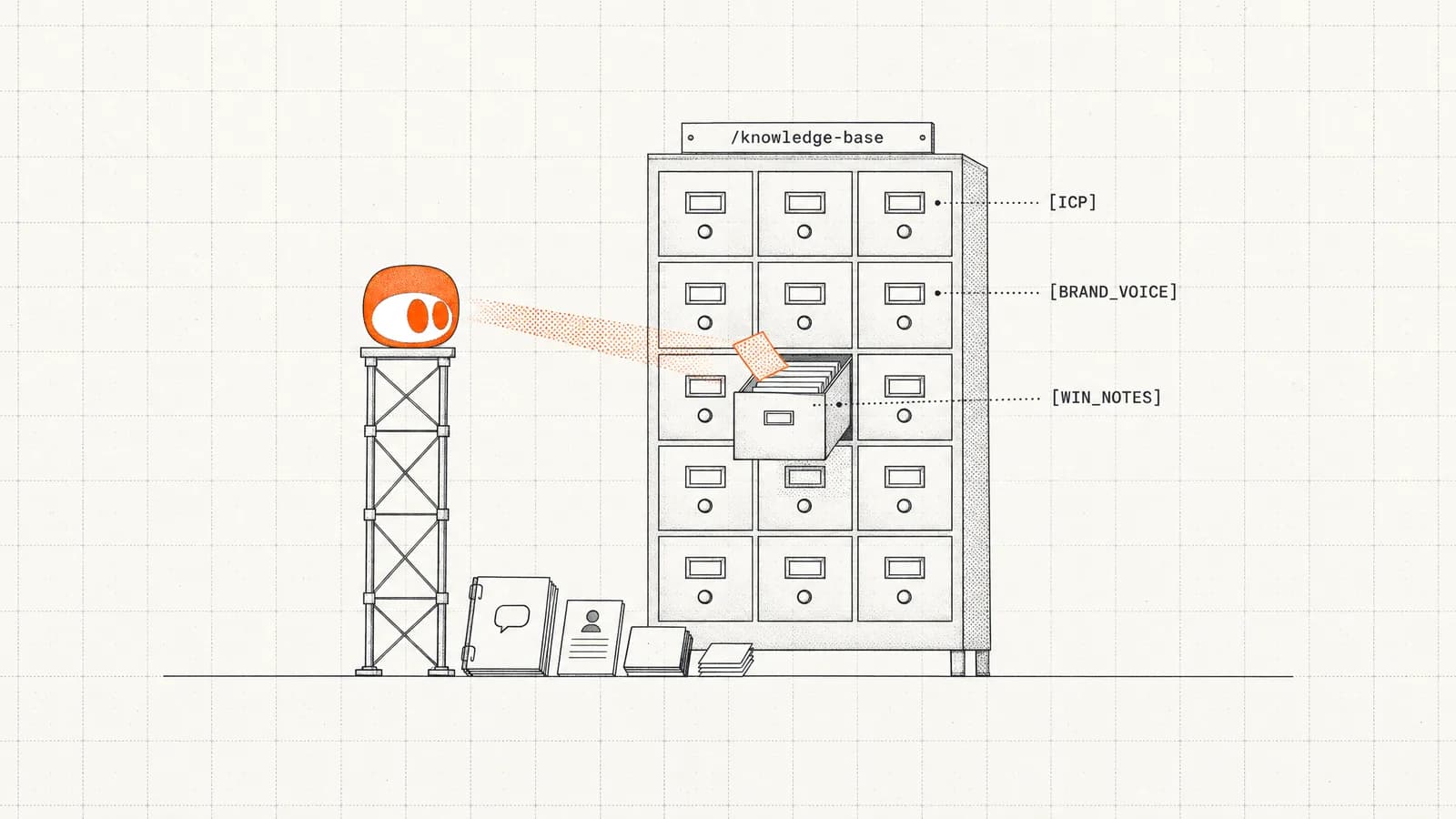
We keep your product, positioning, ICP, buyer journey and brand voice in one place, including what your sales team hears on calls and how you actually win deals. It feeds every step, from research to the last edit.
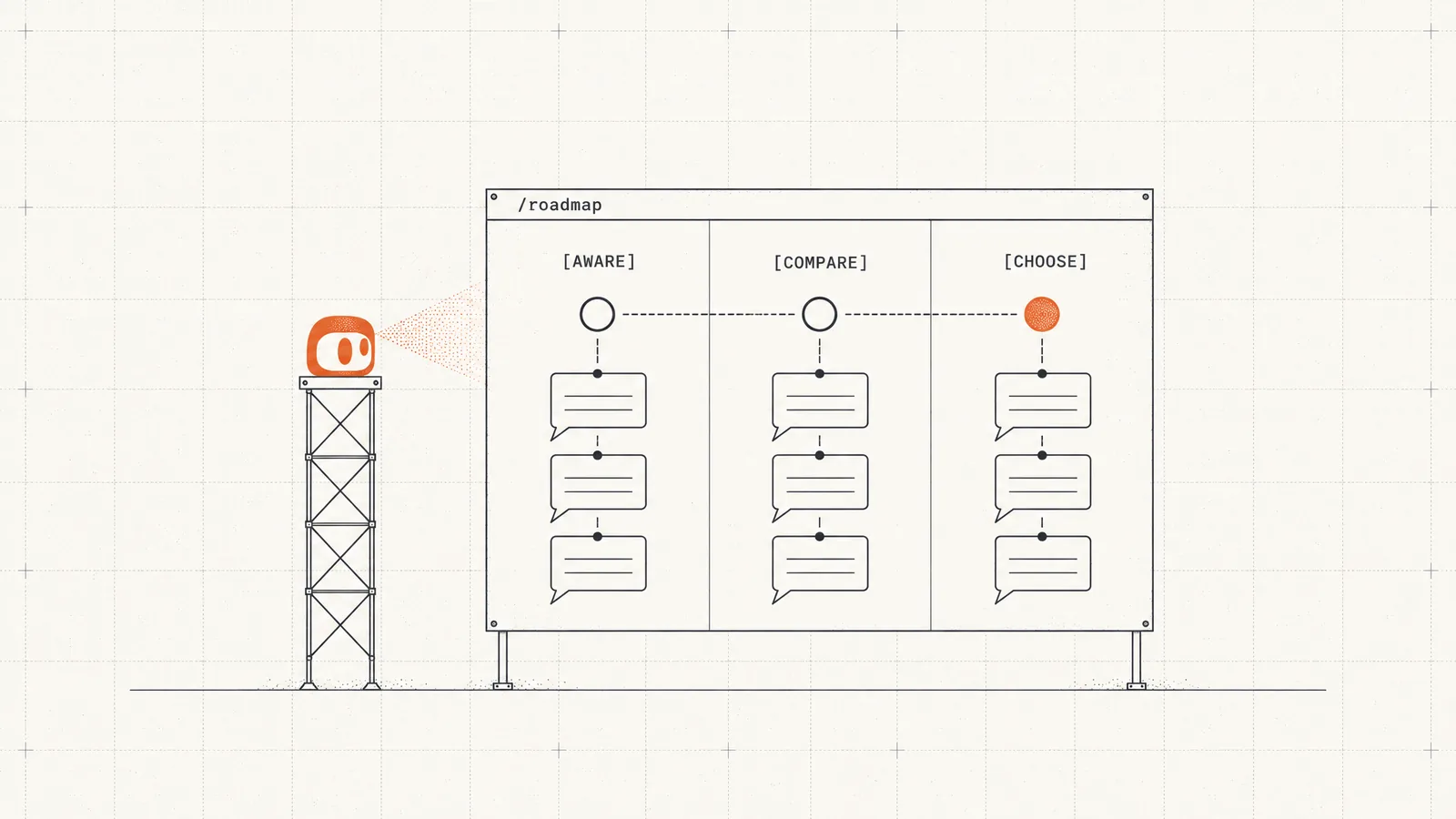
We mine real buyer questions from sales calls, support tickets, forums and review sites to learn what your customers actually search for, and which messages already convert.
The agent analyses that data for high-intent openings; our team turns the results into the strategy.
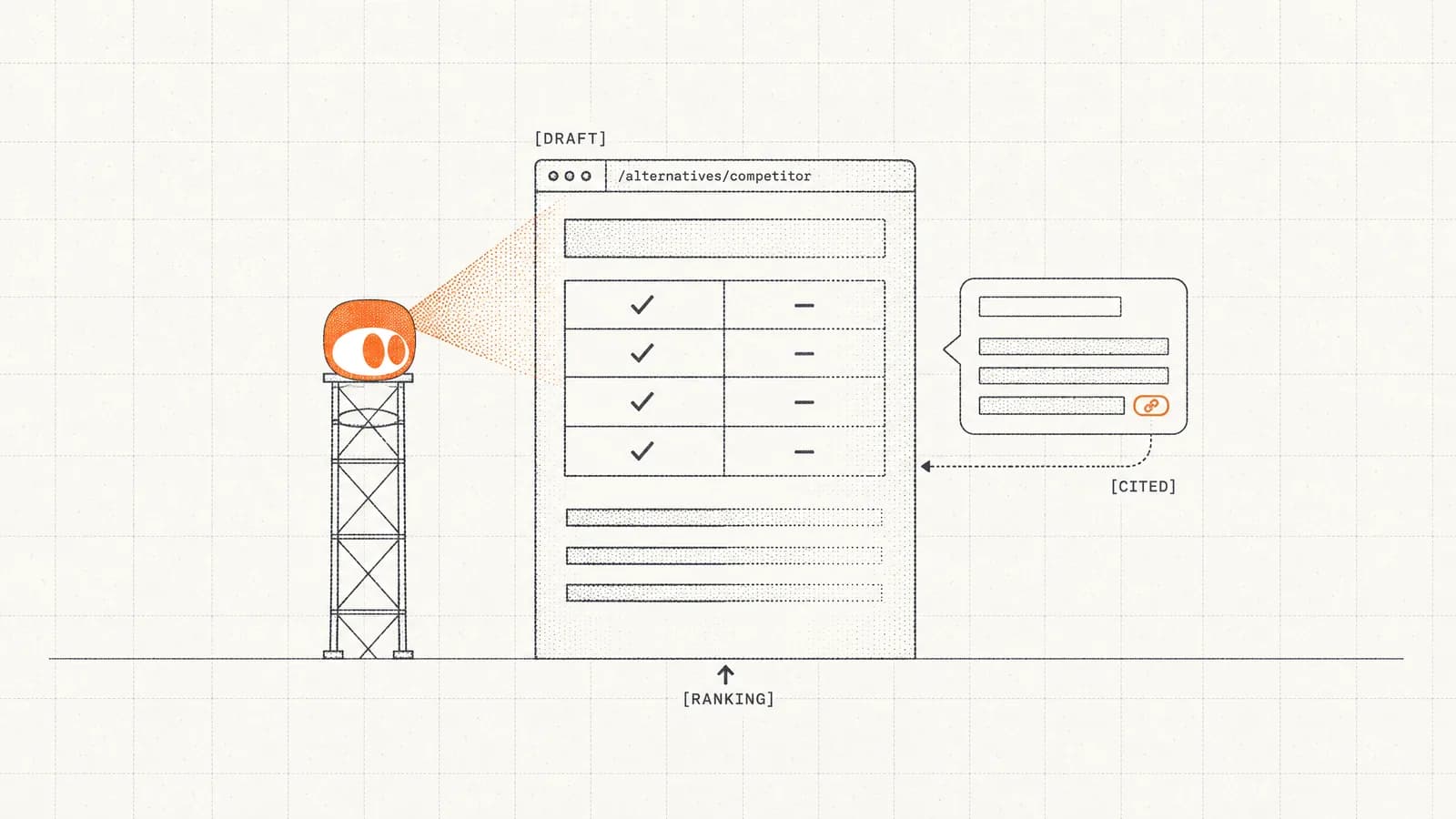
For every target search, the agent works out what's winning on Google and in AI answers (what ranks, what gets cited, and the gaps), then fills the gap with what only you know: findings from your first-party data, survey results and your experts' experience.
Our team reviews every page, and you approve it before it ships.
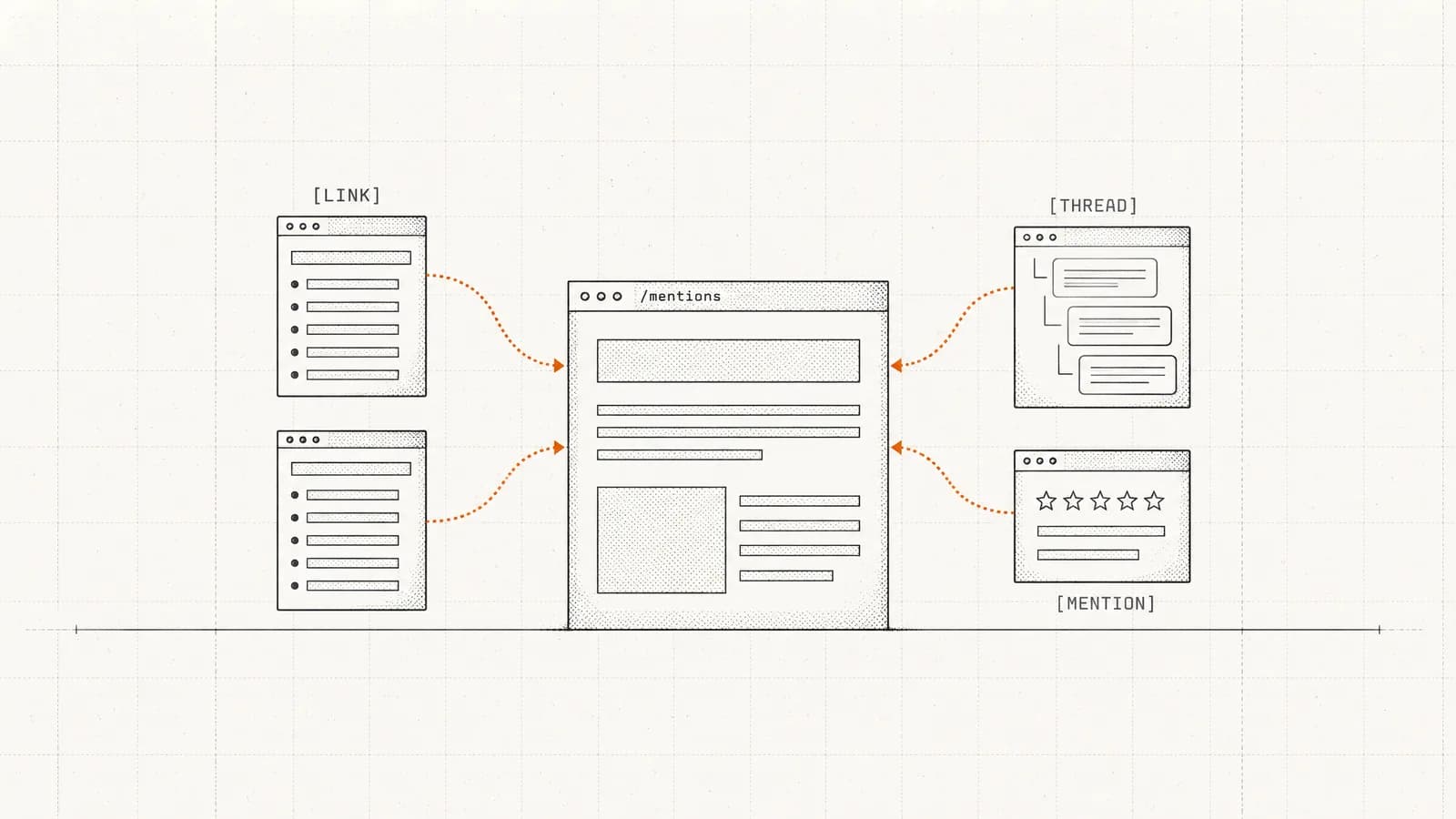
We find the backlinks, mentions and community threads that shape what search and AI say about your category, then run the outreach and answer in the communities for you. Volume depends on your package.
Scale also includes a branded subreddit that we manage.
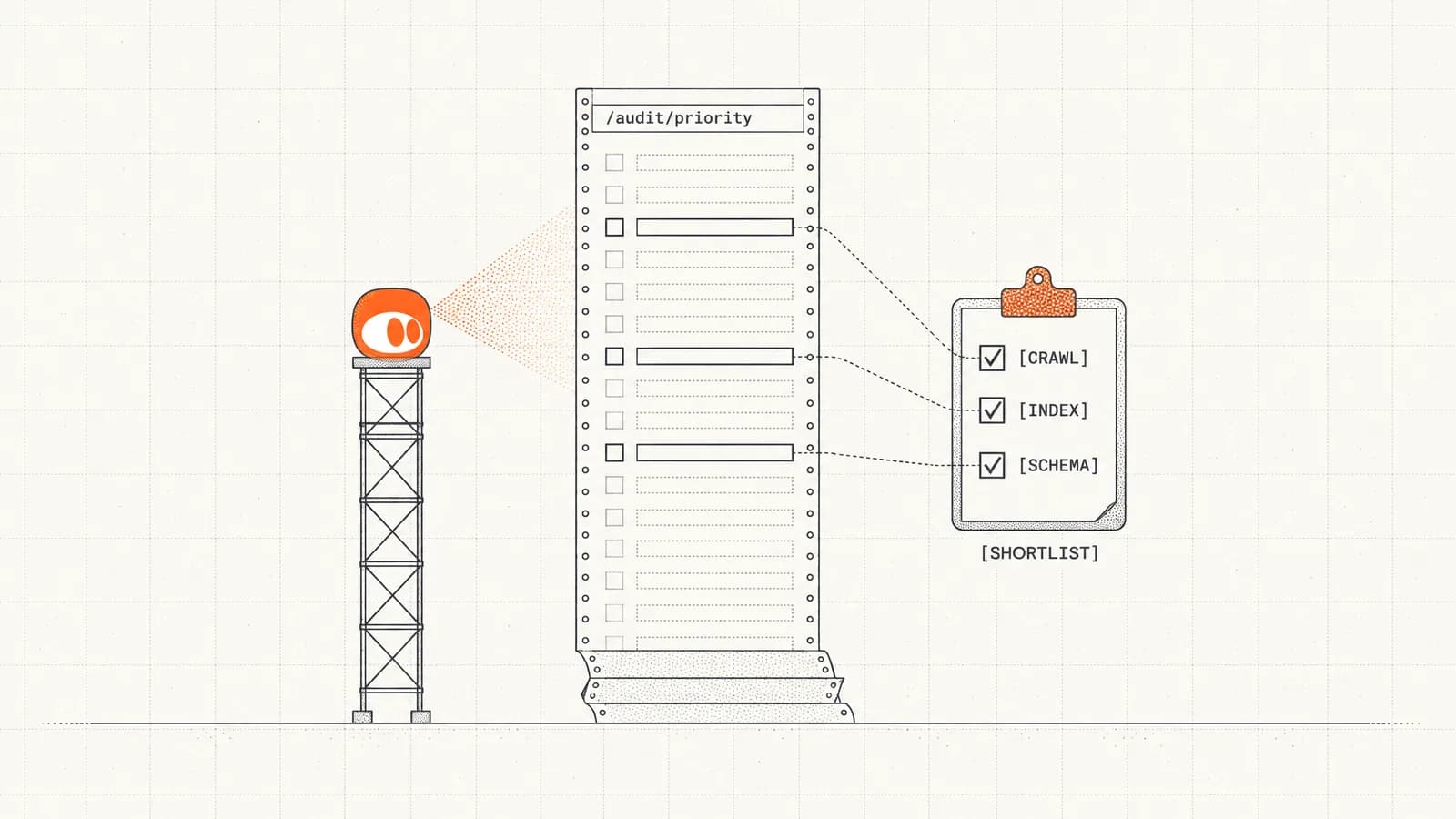
SEO tools surface hundreds of issues, and most of them change nothing.
Every month we audit your most important pages and hand over a shortlist of what's holding you back: crawling, indexing, speed, schema and structure. We coordinate the fixes with your team or make them as part of our page revamps.
Whoever owns organic growth at a B2B SaaS with a working product: a founder, a Head of Growth, a marketing lead, or an SEO lead who needs more hands. B2B SaaS is the only market we work in.
01Organic traffic fell, maybe around a Google update.
Diagnosis before any fix. We line the drop up with the update dates and what changed on your site, then fix what's yours to fix.
02Your audits find more work than your team ships.
A short, ordered to-do list. The playbook picks the fixes that matter, the agent does the tasks, and you approve each change.
03Competitors own your category, alternatives and comparison searches.
Your revenue pages. Category, alternatives, comparison, integration and pricing pages, built or rewritten for what buyers search.
04AI answers name your competitors, not you.
One description everywhere AI reads. Your site, llms.txt and profiles say the same thing, and we pitch you for the roundups AI answers cite.
05Few sites link to you, and your brand profiles are thin.
Work off your site. Backlink acquisition and entity profiles, so search engines and AI answers can check who you are.
Not a fit if
If this sounds like you
Let's talk about building your organic growth engine.
AI SEO services are SEO done for both Google and the AI answer engines (ChatGPT, Perplexity, Gemini and Google's AI Overviews): pages the engines can rank and quote, technical fixes that let search and AI crawlers read your site, and links and mentions on the sources AI answers cite. At SEOmator, B2B SaaS SEO experts set the plan and review the work, our agent does the research and drafting, and you approve every change.
SEOmator's AI SEO services cost $2,500 a month on Steady or $5,000 on Scale, with a three-month minimum. Both run on the same playbook, team and agent; Scale ships more pages and links each month and meets weekly. If your team would rather do the work itself, the platform plans start free.
Yes, in both packages. Generative engine optimization (GEO), also called answer engine optimization (AEO) or AI search optimization, is the work that gets your brand named and cited in AI answers. We track the prompts your buyers ask and the sources the engines cite, then make your pages easy to quote, describe your brand the same way everywhere and earn mentions on the sources the engines trust.
Partly. Our agent audits, researches and drafts faster than a person can, but it doesn't know your buyers, your product's edge or what's worth building. So people make every strategic call and review every draft, and you approve each change before it goes live. Publishing AI pages at scale with nobody deciding is how sites end up with the commodity content AI answers already replace.
The agent drafts; people make it worth reading. Each draft starts from your knowledge base, your first-party data and interviews with your experts, then an SEO editor rewrites and checks it, and you approve it. A page that says nothing only you could say doesn't ship, however fast it was drafted.
Yes, once you approve them. Publishing to your CMS on your existing templates is in both packages. If the roadmap needs new templates, we scope them separately.
Any new page or major rewrite (new structure, new copy, a new search intent) counts as one page. Smaller changes, like a new title, a refreshed figure, internal links or an added FAQ, don't count against your monthly pages. They're part of the ongoing work.
No, but they're what we work for, and our case studies show the results with dated numbers you can check, starting with TechnologyChecker.io's. Rankings, AI citations and traffic also depend on things nobody controls: Google's and the AI engines' updates, your competitors, your domain's history. So we don't guarantee a number or a date. We commit to the work and show you what it moved.
We start from your buyers' real questions (sales calls, support tickets, Reddit and Quora, review sites and competitor research) plus search demand, and pick the prompts closest to a signup. Then we track how AI answers respond: whether they name and cite you, how often, in what position, and who they name instead.
Steady tracks 250 prompts and Scale tracks 500.
We don't buy links. We earn them by giving sites a reason to cite you: findings from your own data, a free tool, an expert quote, or a fix for a broken or unlinked mention. For each one we find the pages that already cite studies and tools in your category (publications, newsletters, roundups, resource pages) and pitch the asset that fits.
Steady includes 6 earned links and mentions a month and Scale 20. There's no fee per link and no payment to publishers; if a site wants money for a link, we move on.
We find the Reddit threads, Quora questions and G2 discussions that AI answers cite and that rank for your target terms, then write helpful replies that mention your product where it genuinely fits. Each engagement covers finding the thread, writing, posting and tracking, always with your affiliation disclosed. The monthly number is a ceiling, not a quota: we only reply where a thread genuinely asks for what you do.
Scale also includes a branded subreddit that we manage. Community engagement is separate from mention building, because it depends on real participation in the thread.
Same playbook, same agent, same team. Scale ships more pages, earned links and community engagements each month, tracks more prompts and meets weekly.
Yes. Five extra pages cost $2,000 as a one-month top-up, useful for a sprint or a time-sensitive opening. If you need more every month, moving to Scale usually costs less.
Yes. Along the roadmap we schedule workshops and 30-minute interviews with the people who know a topic first-hand: technical depth, customer stories, product detail. That's what makes the content hard to copy.
Three months. Organic growth compounds, so the first months build the foundation. After that it runs month to month with 30 days' notice. Annual commitments save 10%.
One person who knows the product and the buyer, usually a founder or the head of growth or marketing. Expect a few hours in the first two weeks for the kickoff and the roadmap sign-off, then approvals as drafts arrive.
Google Search Console, Google Analytics, Bing Webmaster Tools, and access to your CMS for publishing the changes you approve. For first-party data pages, an export of the product or CRM data we agree on; we publish only anonymized aggregates you approve. We also set up a shared Slack channel for the day-to-day work and the strategy calls.
We don't offer category exclusivity; we keep competing clients strictly apart instead. No insights, research or data move between accounts, and everything we learn about your business stays confidential, by contract, during and after the engagement.
An SEO tool shows you what's wrong and leaves the work to your team. A typical SEO or AI SEO agency does the work, but reports on rankings and traffic that are hard to tie to pipeline. SEOmator pairs a B2B SaaS playbook with an agent that does the work and a team that reviews it, and you approve each change before it goes live.
No. B2B SaaS is the one market we advise. If that's not you, the free SEO audit is the honest place to start.
Book a 30-minute strategy call. We'll walk you through how TechnologyChecker.io won its category terms on a one-year-old domain, and map out what it would look like for your company.
Book a strategy callReferring domains, up from 67 in March 2026 (Ahrefs, 10 Oct 2026)
Sessions from google.com in September 2026 (TinyAnalytics)
Sessions from AI assistants in September 2026 (TinyAnalytics)
TechnologyChecker.io, a paying clientRead the case study


