
· 15 min read
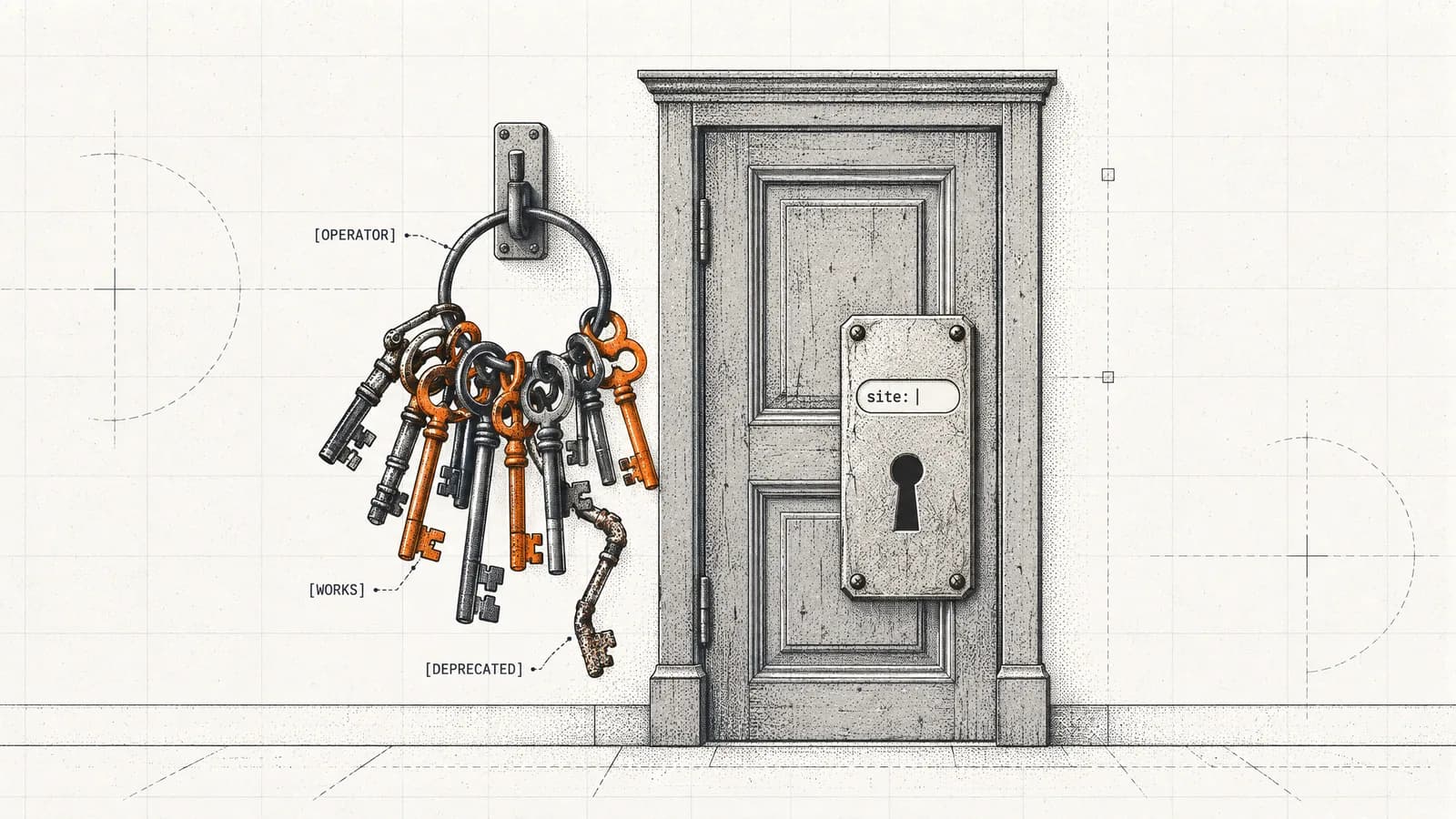
Google Search Operators Cheat Sheet: We Tested All 41 (Only 12 Work)
We ran all 41 Google search operators against live Google in July 2026. Only 12 still apply the filter they promise. Here's the tested cheat sheet.
Uncover the secret to boosting Google rankings with our advanced free backlink checker. Check high-quality backlinks for any website.
There are several ways to check your backlinks for SEO:
It's important to keep in mind that not all backlinks are good for SEO, and having too many low-quality links can harm your SEO. Monitor your backlinks and remove any links that are coming from spammy, low-quality sites.
There are several factors to consider when determining if a backlink is good or not:
It's also important to note that not all backlinks will be perfect, and having a mix of high-quality and low-quality backlinks is natural.
PA (Page Authority) and DA (Domain Authority) are metrics developed by Moz that predict how well a specific page or domain will rank on search engine result pages (SERPs).
PA is a score (on a 100-point scale) that predicts how well a specific page will rank on search engine result pages. It is based on a combination of factors including the number and quality of inbound links to the page, the content on the page, and the overall structure of the website.
DA is a score (on a 100-point scale) that predicts how well a domain will rank on search engine result pages. It is based on a combination of factors, including the number and quality of inbound links to the domain, the content on the domain, and the overall structure of the website.
Both PA and DA scores are logarithmic, meaning that it's harder to increase your score as you get closer to 100.
When it comes to backlinks, both PA and DA can be used as a metric to evaluate the quality of a backlink. A backlink from a website with a higher PA or DA score will be considered more valuable than a backlink from a website with a lower score. However, it's important to note that having a high PA and DA score doesn't guarantee a high ranking on SERP; it's just one of the many factors that search engines take into account when ranking webpages.
A backlink checker is a tool that allows you to check the backlinks of a website or a specific web page. It helps you understand which websites are linking to your site, and how they are contributing to your search engine rankings.
These tools can help you to identify:
Backlink checker tools can also help you identify low-quality backlinks that might be hurting your search engine rankings and should be removed. Some examples of backlink checker tools are Ahrefs, SEMrush, Majestic, Moz, and Google Search Console. These tools allow you to enter your website's URL and see a list of all the websites that are linking to it. Some of the tools are free and some of them require a paid subscription.
Whether you're a new business trying to improve your online presence or an experienced marketer fine-tuning your strategy, a backlink checker tool is indispensable. But why should you use a free backlink checker tool? Here are some compelling reasons:
One of the main attractions of a free backlink checker tool is the cost-efficiency it offers. SEO efforts often require the use of multiple tools and resources, which can quickly escalate costs. A free backlink checker tool gives you valuable data about your website's backlink profile without eating into your budget. This makes it a cost-effective choice for start-ups, small businesses, or anyone wanting to maximize their SEO tools budget.
Starting in the world of SEO can be daunting, with various complex tools and metrics to understand. Free backlink checker tools often come with user-friendly interfaces, making it easy for beginners to navigate and understand the backlink data presented. The low or no-cost commitment also allows novices to try out these tools and get familiar with backlink analysis without financial risk.
The data from a backlink checker tool isn't just a list of links. It provides a wealth of insights that can inform your SEO strategy. For instance, it can show which sites are linking to you, indicating partnerships or content types that are resonating with your industry. It can reveal your most linked-to pages, helping you understand what kind of content attracts links. Over time, these insights can shape your content strategy, your outreach efforts, and more, all toward improving your SEO ranking.
Free backlink checker tools are not just for analyzing your website. They can also be used to peek into your competitors' backlink profiles. Understanding who's linking to your competitors and how they're doing it can reveal new opportunities for your own link building. It may show you new industry resources, websites, or influencers that you should be targeting. Alternatively, you may discover that your competitors are mostly earning links from low-quality sites, indicating that you could leapfrog them with a more quality-focused approach.
In conclusion, a free backlink checker tool offers more than just cost savings. It's an accessible way for beginners to delve into SEO, provides valuable data for strategic planning, and allows you to keep an eye on the competition's backlink strategy. So, whether you're just starting out in digital marketing or are on a tight budget, a free backlink checker tool can be an invaluable resource.
Knowing which websites are linking to your site is important for several reasons:
Overall, backlink checker tools are a valuable resource for understanding and improving your website's backlink profile, improving SEO and the overall performance of your website.
Backlinks, also known as inbound links or incoming links, are links from other websites that point to a specific page on your website. They are important for SEO as they signal to search engines that other websites consider your content valuable and relevant.
Backlinks are important because they help search engines to understand the popularity and relevance of a website. The more high-quality backlinks a website has, the more likely it is to rank well in search engine results pages.
There are several ways to get backlinks to your website, including creating high-quality content, guest blogging, broken link building, creating infographics, participating in online communities, offering to write testimonials or reviews, using social media, networking with influencers, participating in online competitions, and utilizing internal linking.
Having too many low-quality backlinks can hurt your website's search engine rankings. Search engines may consider a large number of low-quality backlinks to be a sign of manipulation, and may penalize your website accordingly.
Buying backlinks is not recommended. Search engines can easily detect purchased backlinks and may penalize your website for participating in link schemes. It's best to focus on building natural, high-quality backlinks through content creation and outreach.
You can use a backlink checker tool, such as Ahrefs, SEMrush, Majestic, Moz, or Google Search Console, to see a list of all the websites that are linking to your site. These tools allow you to check the number of backlinks, the quality of the backlinks, the anchor text used, and the source of the links.
Deeper reading from the SEOmator blog on what this tool measures.
· 15 min read
We ran all 41 Google search operators against live Google in July 2026. Only 12 still apply the filter they promise. Here's the tested cheat sheet.
· 23 min read
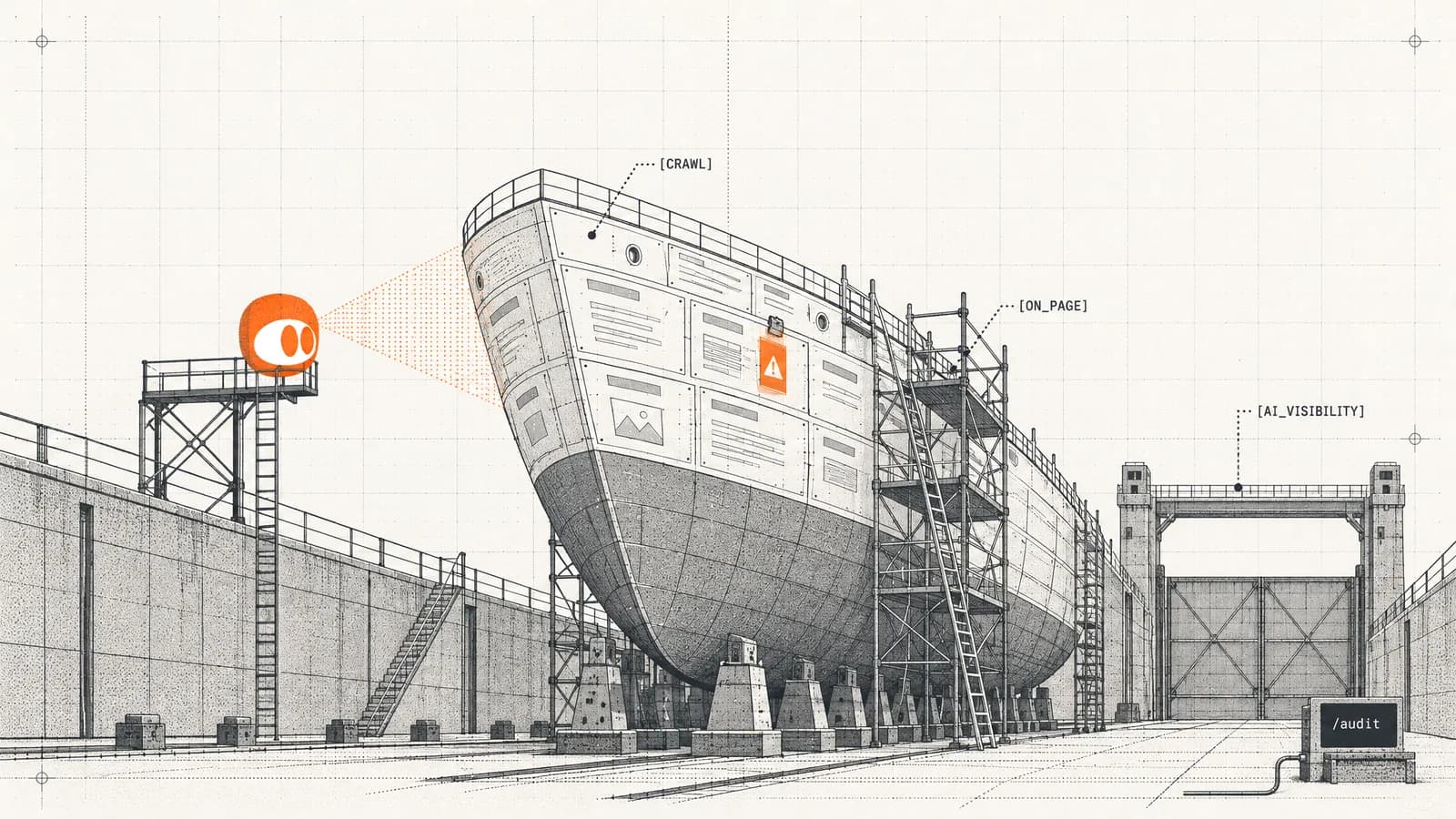
Learn how to do an SEO audit of any website in 2026 — technical, on-page, off-page, and AI-search checks — then run a free audit to fix issues fast.
· 21 min read
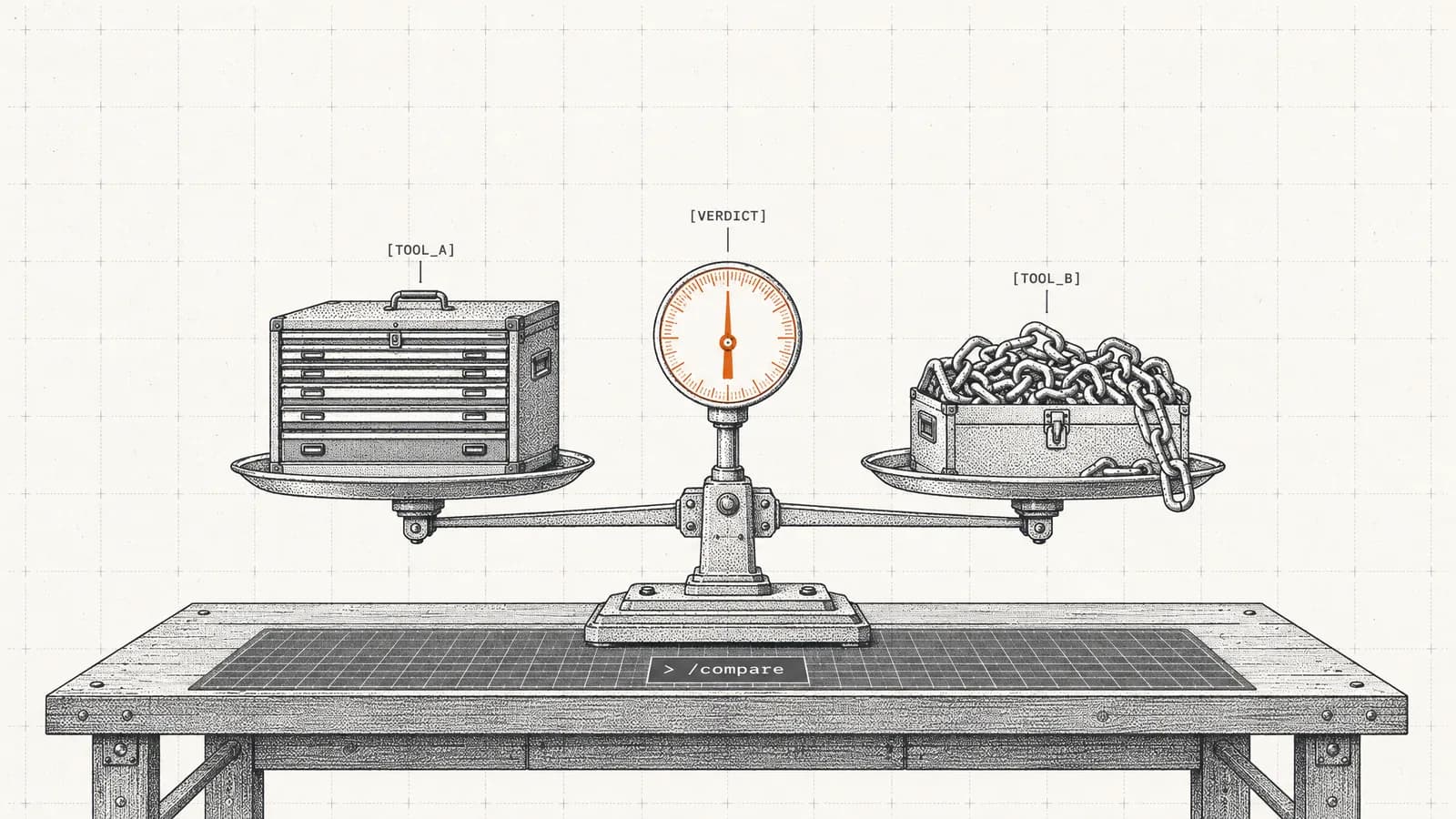
We scraped the live top 10 for "semrush vs ahrefs": 3 of 9 pages earn a commission on the tool they crown. Here's the comparison, with every bias named.
Elevate your online presence with our tool: Get found, Get ahead


