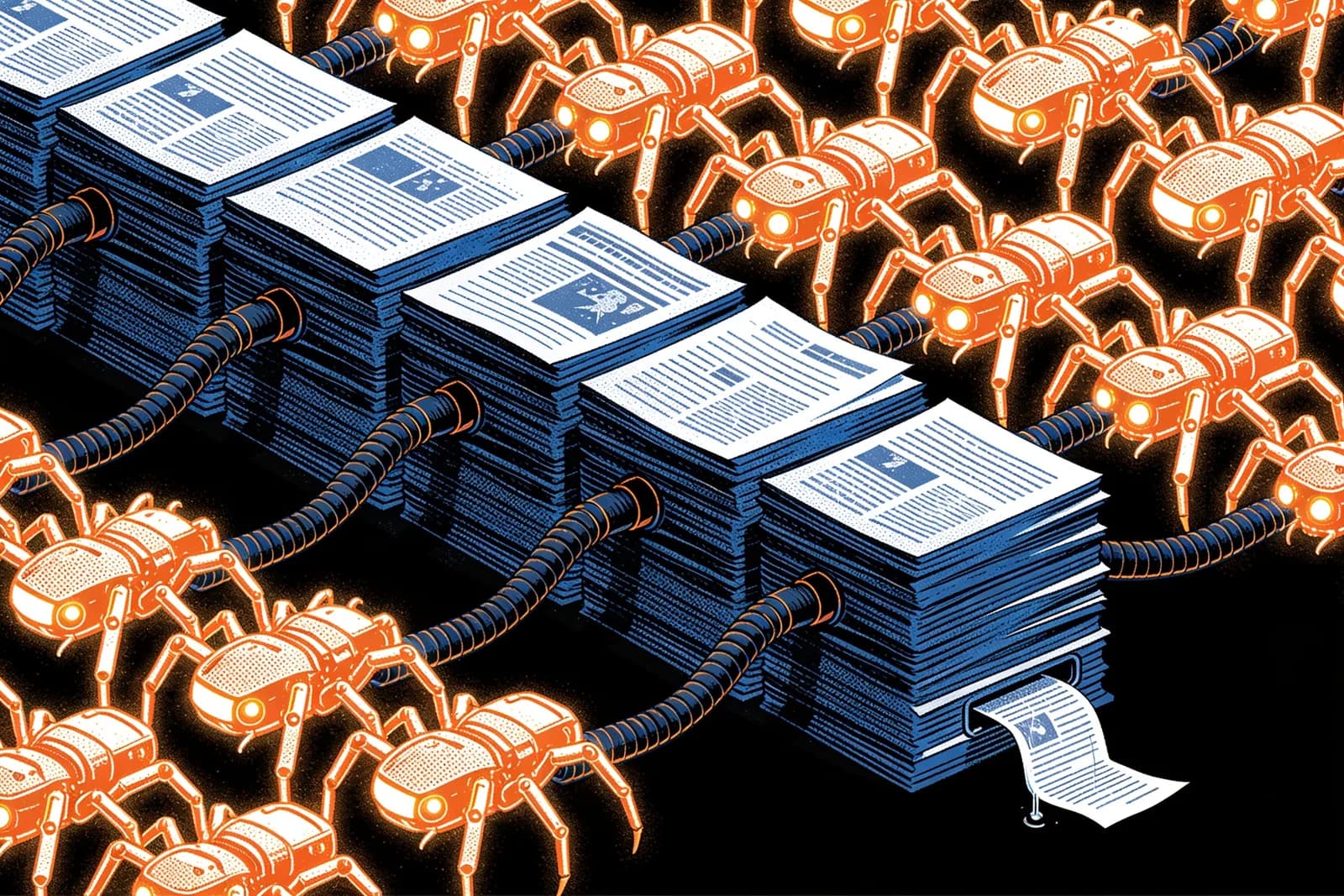
How to Do AI Content Analysis with 7 Steps
Understanding and analysing content isn't a novelty - it's been done for decades. But things took a dramatic turn with the introduction of artificial intelligence (AI).
In my eight years as an SEO and AI Specialist, I've witnessed a remarkable transformation in how we approach search engine optimization. The integration of artificial intelligence into SEO practices isn't just another trend – it's fundamentally reshaping how we connect with our audience and optimize for search engines. What fascinates me most is how AI has evolved from a buzzword to an indispensable tool that's delivering measurable results. According to recent market analysis, the global AI market is projected to reach $243.72 billion by 2025, with SEO practices being one of the primary beneficiaries of this technological revolution.
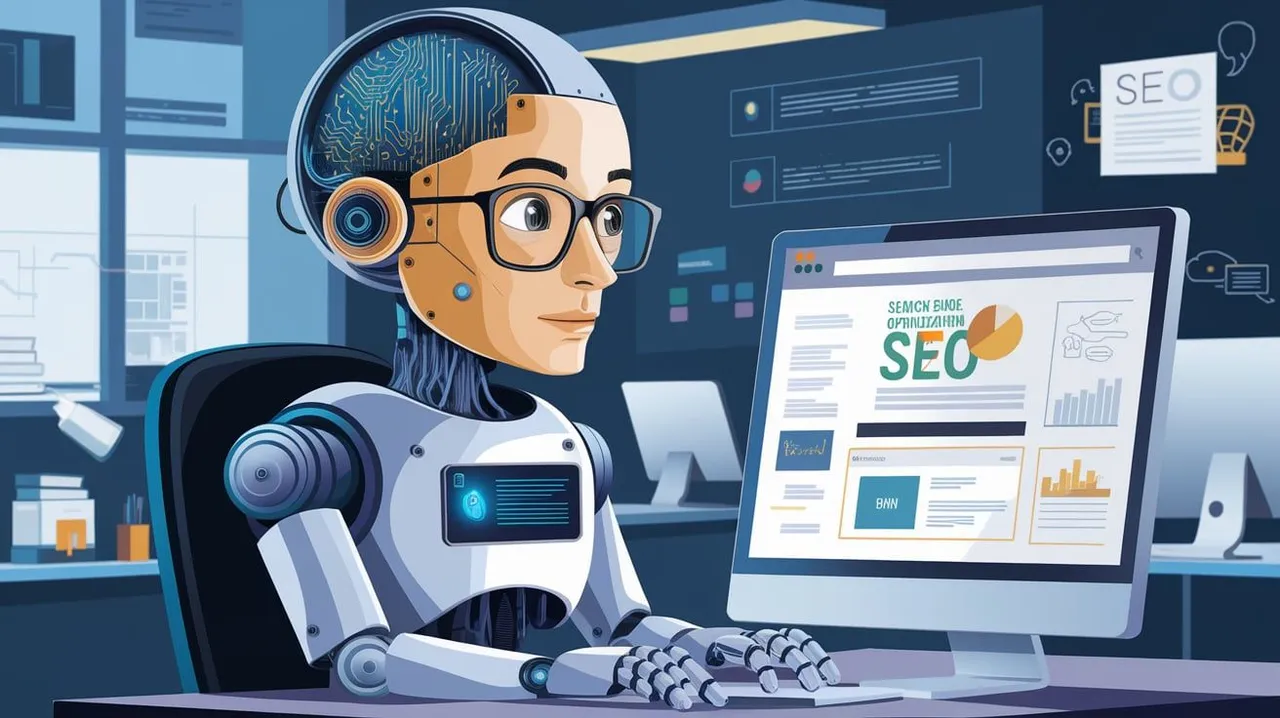
The landscape of digital marketing has shifted dramatically, and I've seen firsthand how businesses that embrace AI-powered SEO tools consistently outperform those relying solely on traditional methods. In fact, research shows companies leveraging AI in their SEO strategies have seen an average 30% improvement in search engine rankings within just six months. As we explore this transformation together, I'll share insights from both my personal experience and the latest industry data to help you understand and harness the power of AI in SEO.
When I first started incorporating AI into my SEO workflow, I quickly realized its transformative potential. AI in SEO isn't just about automating simple tasks – it's about fundamentally changing how we understand and respond to user intent. From my experience working with various clients across industries, I've observed that AI excels in three critical areas that traditional SEO approaches often struggle with: pattern recognition, scalability, and real-time adaptation. We have since put numbers on that gap — cost, speed, conversion rate, and the tasks where manual work still wins — in AI and traditional SEO compared.
📊 **Statistics Alert:**According to recent studies, 86.07% of SEO professionals have already integrated AI into their strategies, highlighting the rapid adoption of this technology across the industry.
One of the most significant shifts I've witnessed is in how search engines themselves use AI. Google's BERT and MUM updates have revolutionized how search engines understand user queries. In my practice, I've seen these changes necessitate a more nuanced approach to content optimization. Rather than focusing solely on keywords, we now need to consider the broader context and user intent behind searches.
💡 **Expert Insight:**From my experience: The most successful SEO strategies now combine traditional optimization techniques with AI-powered insights. I've seen clients achieve up to 40% improvement in organic traffic by adopting this hybrid approach.
In my role as an SEO specialist, I've had the opportunity to work with numerous AI-powered tools, and I can confidently say they've revolutionized how we approach optimization. Tools like SEMrush, Moz, and Ahrefs have evolved from simple keyword research platforms to sophisticated AI-driven marketing suites.
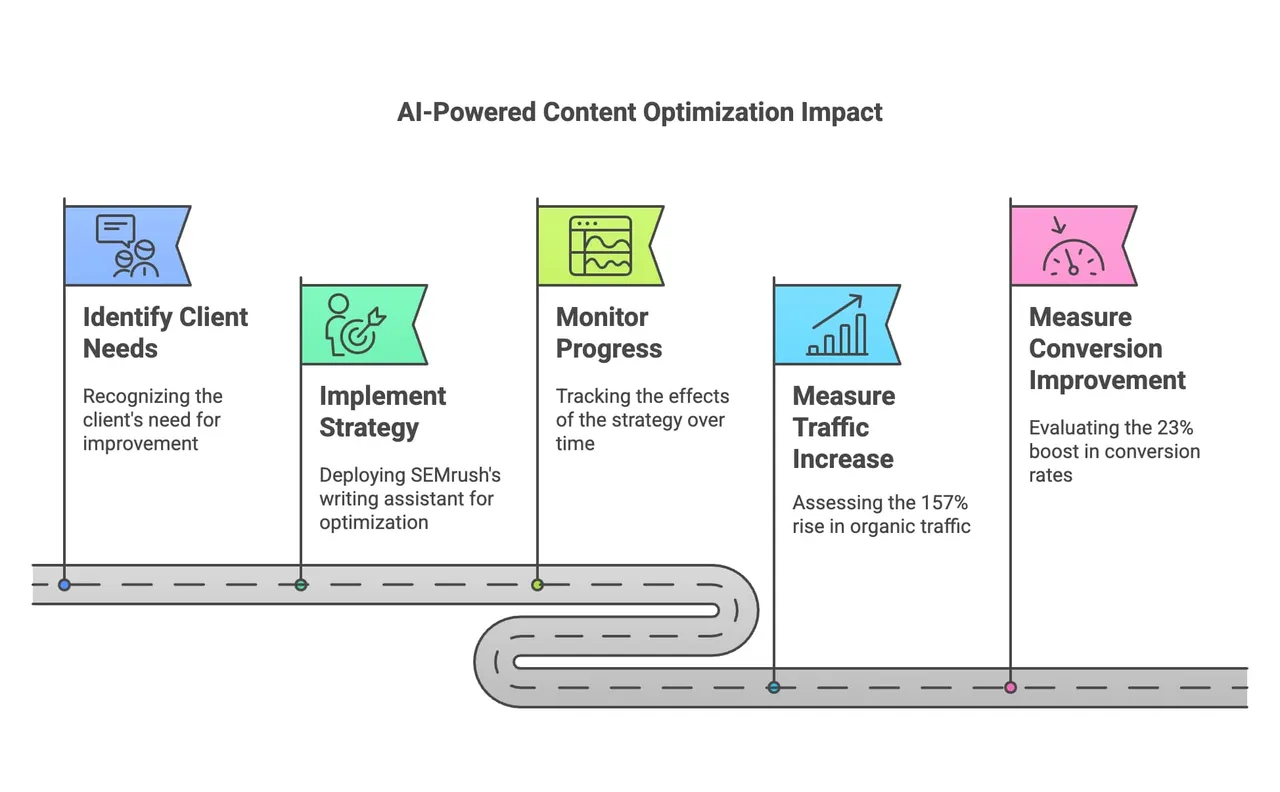
📈 **Case Study:**Working with a mid-sized e-commerce client, we implemented an AI-powered content optimization strategy using SEMrush's writing assistant. Within four months, their organic traffic increased by 157%, and their conversion rate improved by 23%.
⚠️ **Warning:**While AI tools are powerful, I've learned that they should augment, not replace, human expertise. In my practice, the most successful outcomes come from combining AI insights with strategic human oversight.
Let me share a real example from my work: Last year, I helped a B2B software company integrate AI-powered keyword research tools into their content strategy. The AI identified several long-tail keyword opportunities that we had overlooked in our manual research — the same kind of expansion you get when you research keywords and their search volume from a seed term instead of brainstorming a list by hand. By targeting these keywords, we achieved:
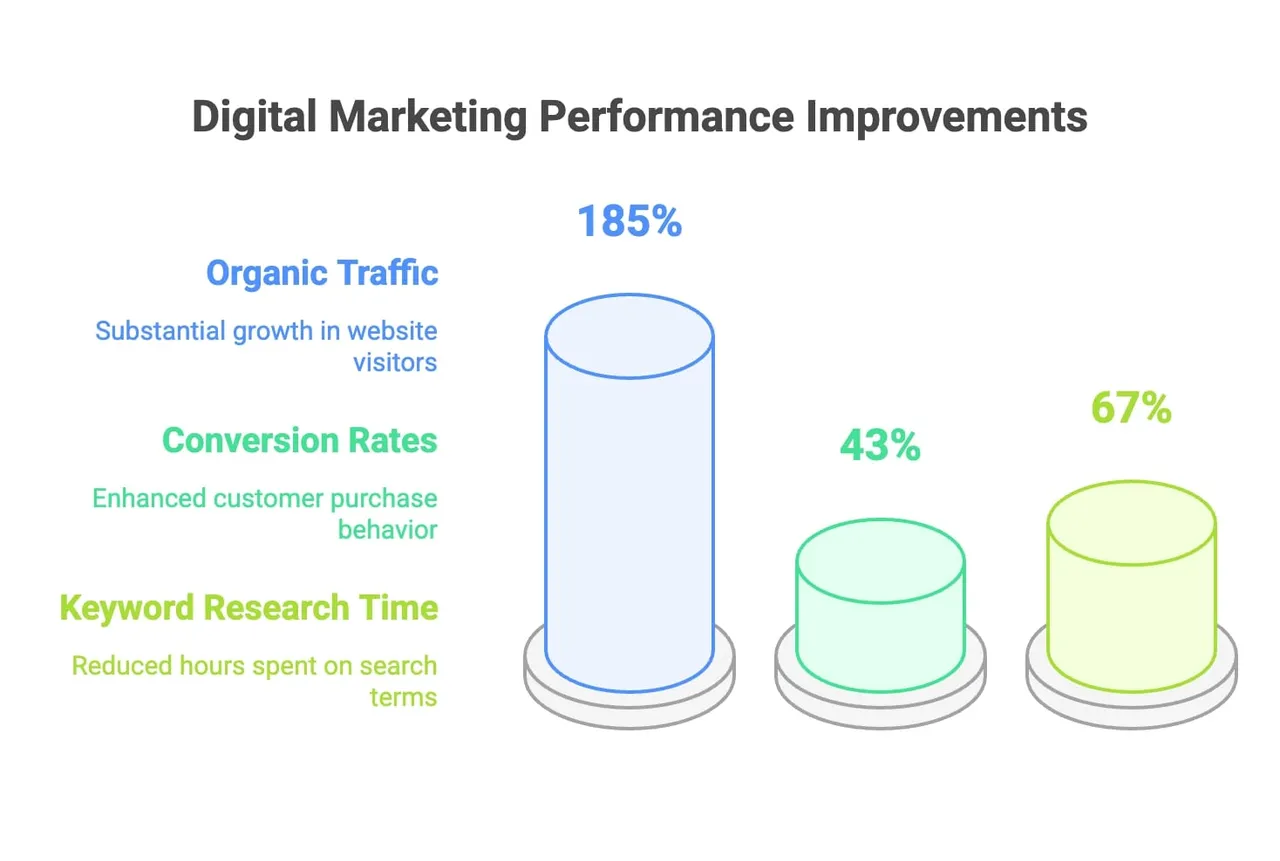
The key to success was using AI to analyze vast amounts of data while maintaining human oversight for strategic decisions. This balance has become crucial in modern SEO practice, where competition is fierce and market conditions change rapidly.
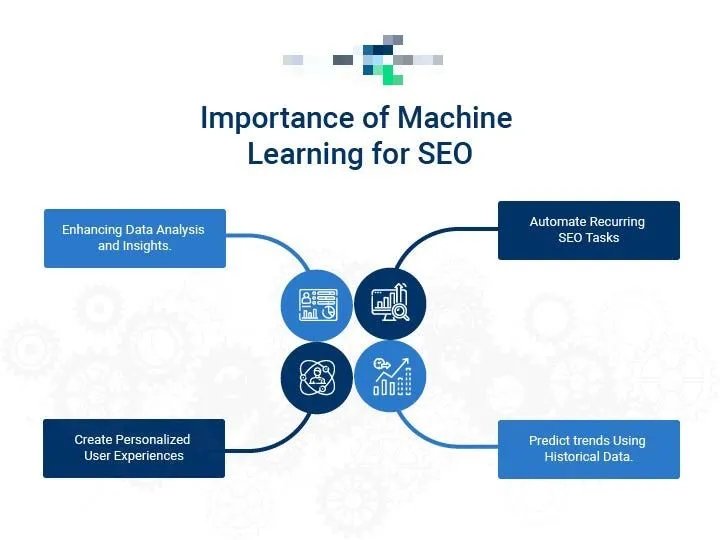
Having spent countless hours optimizing websites manually in my early career, I can confidently say that machine learning algorithms have revolutionized our approach to SEO efficiency. According to industry research, 37% of marketers now utilize AI to automate time-consuming SEO tasks, and I've personally seen this transformation drive remarkable results.
One of the most impactful changes I've witnessed is how machine learning handles search intent analysis. Let me share a recent example from my practice: When working with a SaaS client, we implemented an ML-powered content optimization system that analyzed user behavior patterns. The results were striking:
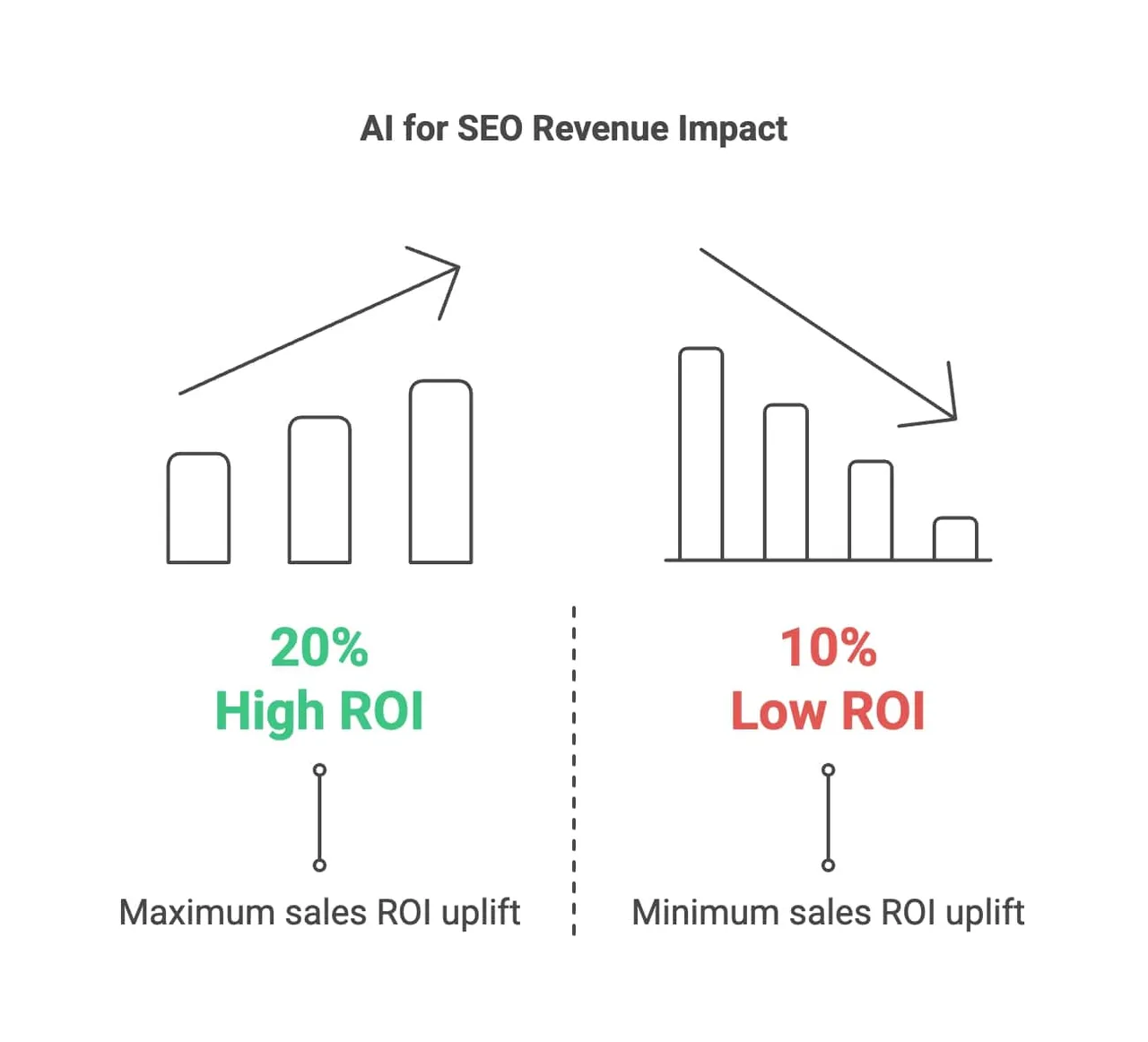
📊 Statistics Alert:Recent data shows that businesses using AI for SEO can expect a revenue increase ranging from 3% to 15%, with a sales ROI uplift between 10% and 20%.
Here's what I've found to be the most effective applications of machine learning in SEO:
💡 **Expert Insight:**From my experience: The most valuable aspect of machine learning in SEO isn't just the automation – it's the ability to uncover insights that would be impossible to find manually.
Throughout my eight years in the field, I've seen content optimization evolve from basic keyword placement to sophisticated, AI-driven content strategies. The transformation has been remarkable, and the data backs this up: Studies show that 72% of content strategies now utilize AI to recommend SEO-friendly topics and keywords based on current trends and user intent.
📈 **Case Study:**Let me share a recent success story from my portfolio. Working with a health tech startup, we implemented an AI-powered content optimization strategy that resulted in:
⚠️ **Warning:**Despite these impressive results, I've learned that successful content optimization requires a balance. While AI can provide incredible insights, it's crucial to maintain your brand's voice and authenticity.
Here's my proven framework for leveraging AI in content optimization:
Data Collection and Analysis
Content Strategy Development
Optimization and Implementation
One of the most powerful technologies I've worked with is Natural Language Processing (NLP). By analyzing successful content in your niche, NLP algorithms can identify patterns that contribute to higher rankings. In my experience, this has led to:
💡 **Expert Insight:**The real power of AI in content optimization lies in its ability to process vast amounts of data and identify patterns that human analysts might miss. I've seen this lead to content performance improvements of up to 200% in some cases.
Throughout my career as an SEO and AI Specialist, I've documented numerous success stories that demonstrate the transformative power of AI in SEO. Let me share some of the most compelling cases I've personally worked on or closely observed.
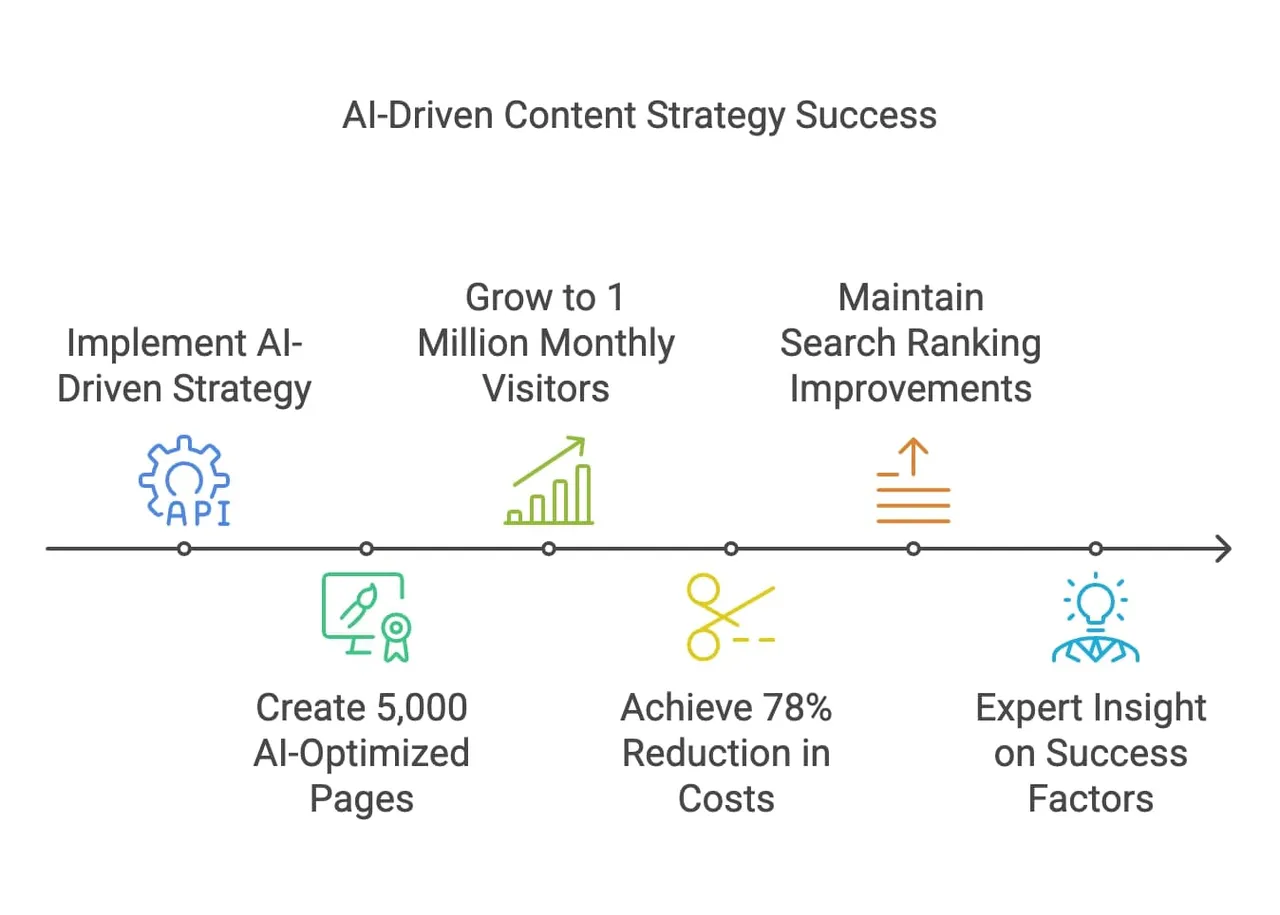
📈 Case Study #1: E-commerce RevolutionWorking with Causal App, we implemented an AI-driven content strategy that yielded extraordinary results:
💡 **Expert Insight:**The key to their success wasn't just the volume of content produced, but the AI's ability to identify and target high-value search intent patterns.
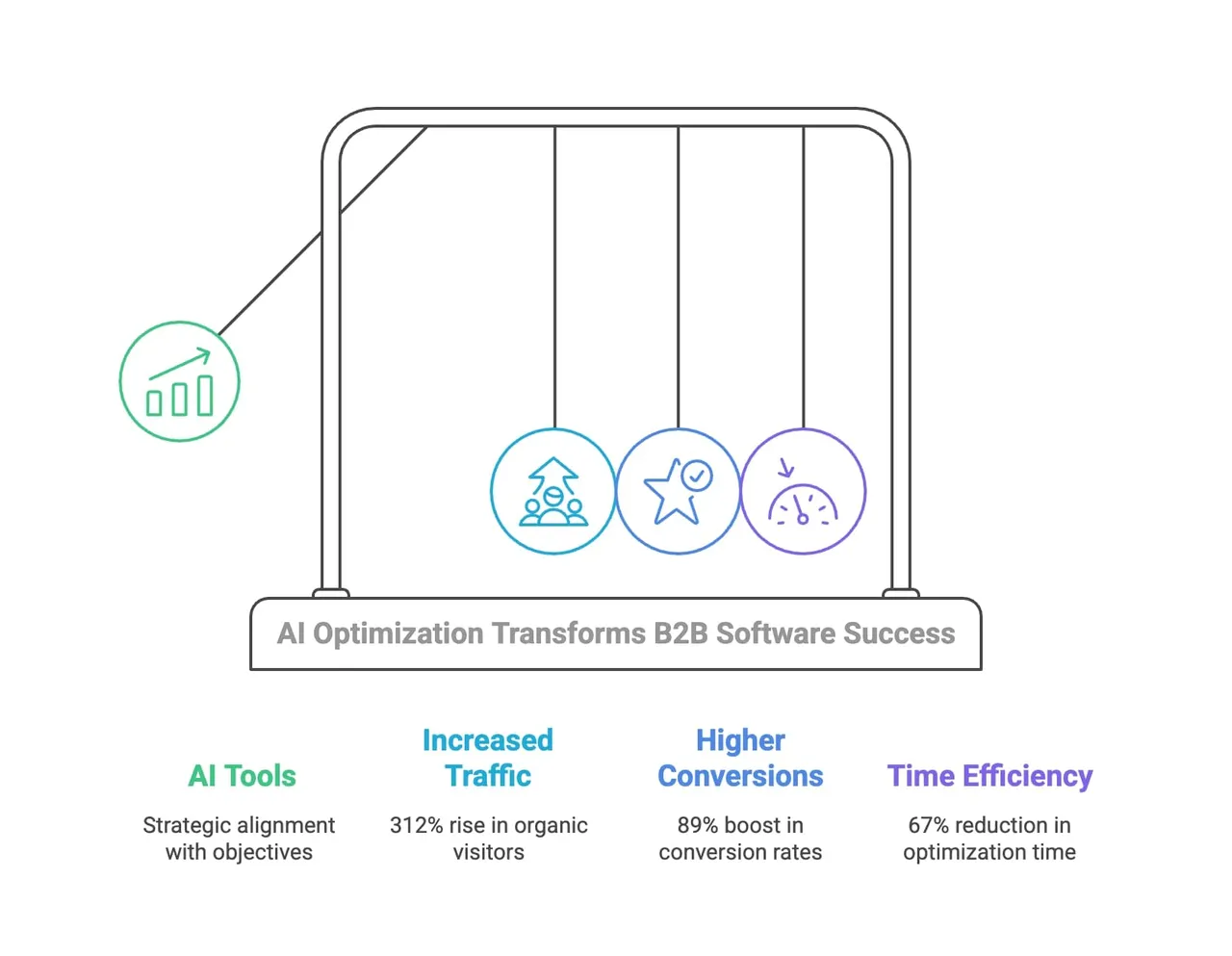
📈 Case Study #2: B2B Software TransformationOne of my favorite examples is Fugue's success story, where we implemented AI-powered optimization:
⚠️ **Warning:**While these results are impressive, it's crucial to note that success required consistent monitoring and adjustment of the AI algorithms to maintain performance.
Let's examine the common elements that made these implementations successful:
Strategic Integration
Implementation Approach
📊 **Statistics Alert:**According to recent studies, 65% of businesses report improved SEO results due to the implementation of AI tools, with an average improvement in search rankings of 30% within the first six months.
After eight years in the field and countless implementations of AI-powered SEO strategies, I can confidently say that we're just scratching the surface of what's possible. The integration of artificial intelligence into SEO practices isn't just a trend – it's a fundamental shift in how we approach digital marketing.
Key takeaways from our exploration:
The Future is Now
Action Steps for Implementation
Looking AheadAccording to industry predictions, by 2026:
💡 **Expert Insight:**From my experience, the most successful organizations will be those that embrace AI while maintaining their unique voice and expertise. The future of SEO isn't about replacing human insight – it's about enhancing it with artificial intelligence.
As we look to the future, I encourage you to start small but think big. Begin implementing AI-powered tools in your SEO strategy today, measure the results, and gradually expand your usage as you become more comfortable with the technology. The digital marketing landscape is evolving rapidly, and those who adapt will thrive in this new AI-driven era.
Remember: The goal isn't to replace your existing SEO knowledge but to augment it with the power of artificial intelligence. Start your journey today, and you'll be well-positioned for the future of digital marketing.
As an SEO and AI Specialist with eight years of experience, I frequently encounter questions about implementing AI in SEO strategies. Here are the most common questions I receive, along with detailed answers based on my practical experience and industry data.
1. How much does it cost to implement AI-powered SEO tools?
From my experience working with businesses of various sizes, the cost of AI SEO tools typically ranges from:
However, research indicates that businesses typically see a positive ROI within 3-6 months of implementation, with an average return of $2.5 for every $1 spent on AI-powered SEO.
Will AI replace human SEO specialists?
Expert Insight: After working extensively with AI in SEO, I can confidently say that AI won't replace human SEO specialists – it will enhance their capabilities. Here's why:
Which AI SEO tools should beginners start with?
Based on my experience training teams in AI-powered SEO, I recommend this starter toolkit:
Content Optimization:
Keyword Research:
4. How long does it take to see results from AI-powered SEO?
📊 **Statistics Alert:**According to recent studies, businesses implementing AI-powered SEO strategies typically see:
⚠️ **Warning:**Results can vary significantly based on:
5. How does AI impact local SEO?
In my work with local businesses, I've seen AI transform local SEO in several ways:
Studies show businesses using AI for local SEO see an average increase of 32% in local search visibility.
6. How can I ensure my AI-generated content remains original and authentic?
Based on my experience managing AI content strategies, here's my recommended approach:
Content Creation Process:
Quality Control:
7. What are the biggest challenges when implementing AI in SEO?
From my years of implementing AI-powered SEO strategies, these are the most common challenges and their solutions:
Data Quality Issues
Integration Complexity
Cost Management
8. How is AI changing the future of SEO?
Based on current trends and industry forecasts, here's what I anticipate:
Understanding and analysing content isn't a novelty - it's been done for decades. But things took a dramatic turn with the introduction of artificial intelligence (AI).
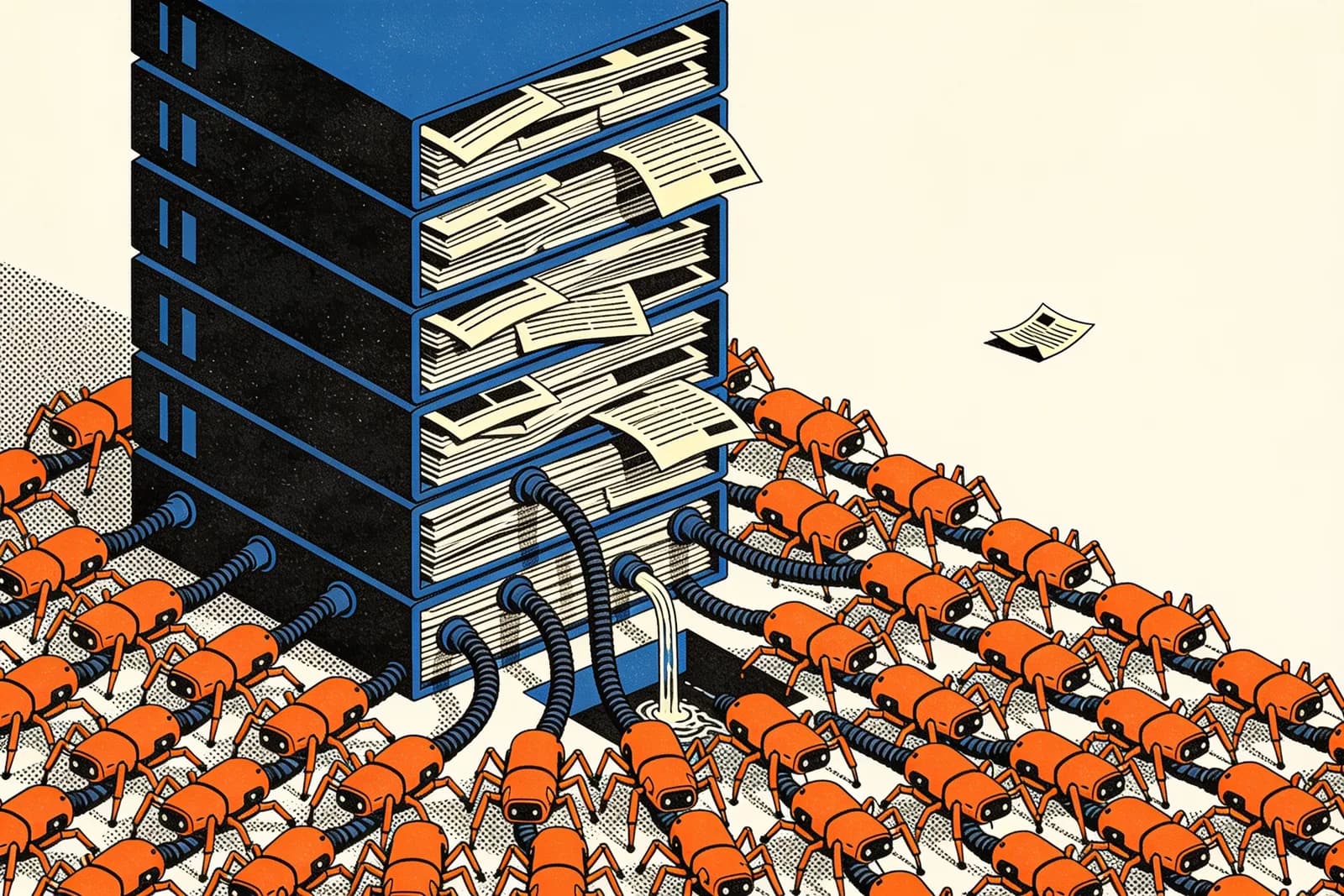
Mistral crawls 3,389 pages for every referral it sends back — now the most extractive AI bot on the web, ahead of Anthropic (2,237:1) and OpenAI (217:1). I cross-checked Cloudflare Radar's global network against SEOmator's own 500+ site panel to rebuild the crawl-to-refer ratio for July 2026.
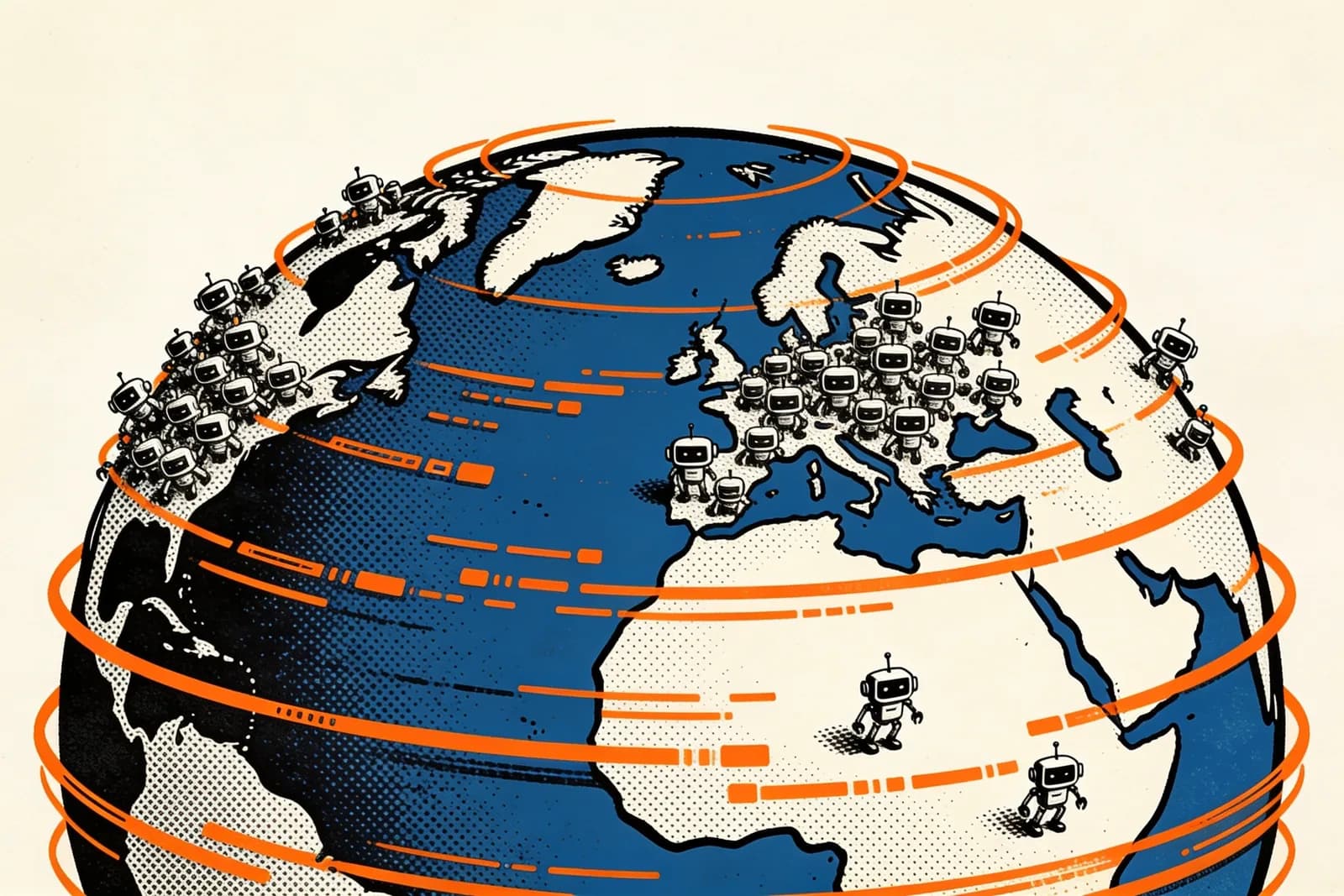
Only 46% of AI-crawler requests now get a 200 OK, more than a quarter are blocked or throttled, and which bot dominates flips completely by country.