


· 10 min read
Is Google Search Console Accurate? 4 Myths [2026]
Yes, Google Search Console is directionally accurate — but a 50-week impression bug and the num=100 removal reshaped 2025–2026 data. 4 GSC myths, debunked.
SEO isn't dead — it's evolving. We debunk the biggest SEO myths with 2026 data on AI Overviews, backlinks, keywords, and what actually moves rankings now.

Isabella Edwards · Technical SEO Content Manager, SEOmator
Leads technical SEO content at SEOmator: audits, Core Web Vitals and on-page fixes

Most SEO myths are outdated tactics that outlived the algorithm they were written for. The data disagrees with the doom: the global SEO software market is projected to grow from about $85.97 billion in 2025 to $271.9 billion by 2034 (Fortune Business Insights), even as AI Overviews reshape the results page. Here's what actually works in 2026 — and what to stop believing.
Despite the recurring "SEO is dead" headline, the industry keeps expanding and businesses keep funding it (Exploding Topics). Yet myths like "SEO is dead" still circulate, misleading professionals and businesses alike. In the audits I run, the pattern I see most is a team executing an outdated tactic flawlessly — misconceptions like these derail even the most well-intentioned strategies before anyone thinks to question the tactic itself.
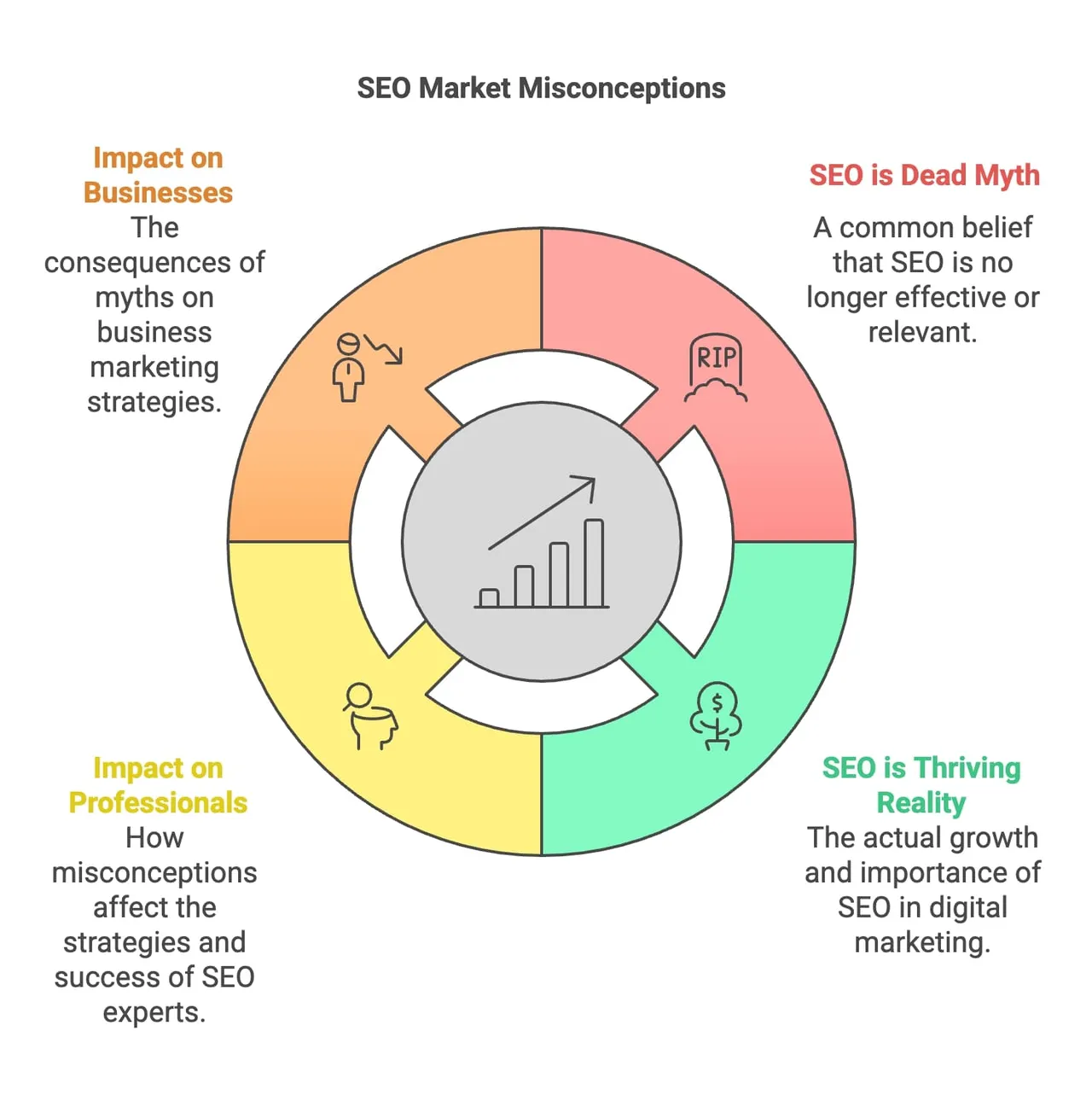
The prevalence of these myths can have serious consequences. Misinformation spreads quickly within SEO communities, leading to misguided efforts and wasted resources. Working on technical SEO and audits at SEOmator, I've seen firsthand how clinging to outdated beliefs can hinder growth and innovation.
That's why SEO professionals have to separate fact from fiction. Understanding the realities backed by data lets us make informed decisions that drive results. This post debunks common SEO myths using solid data and recent insights, helping you refine your strategies for search — and for the AI answer engines now sitting on top of it.
Understanding where SEO myths come from is essential to debunking them effectively. Misconceptions often arise from outdated practices and the rapid evolution of search engine algorithms. Across the audits and crawls we run at SEOmator, I've watched how these origins snowball into widespread misinformation.
The early days of SEO were like the Wild West—new, exciting, but largely unregulated. This environment led to practices that have since become obsolete, yet some continue to hold onto them.
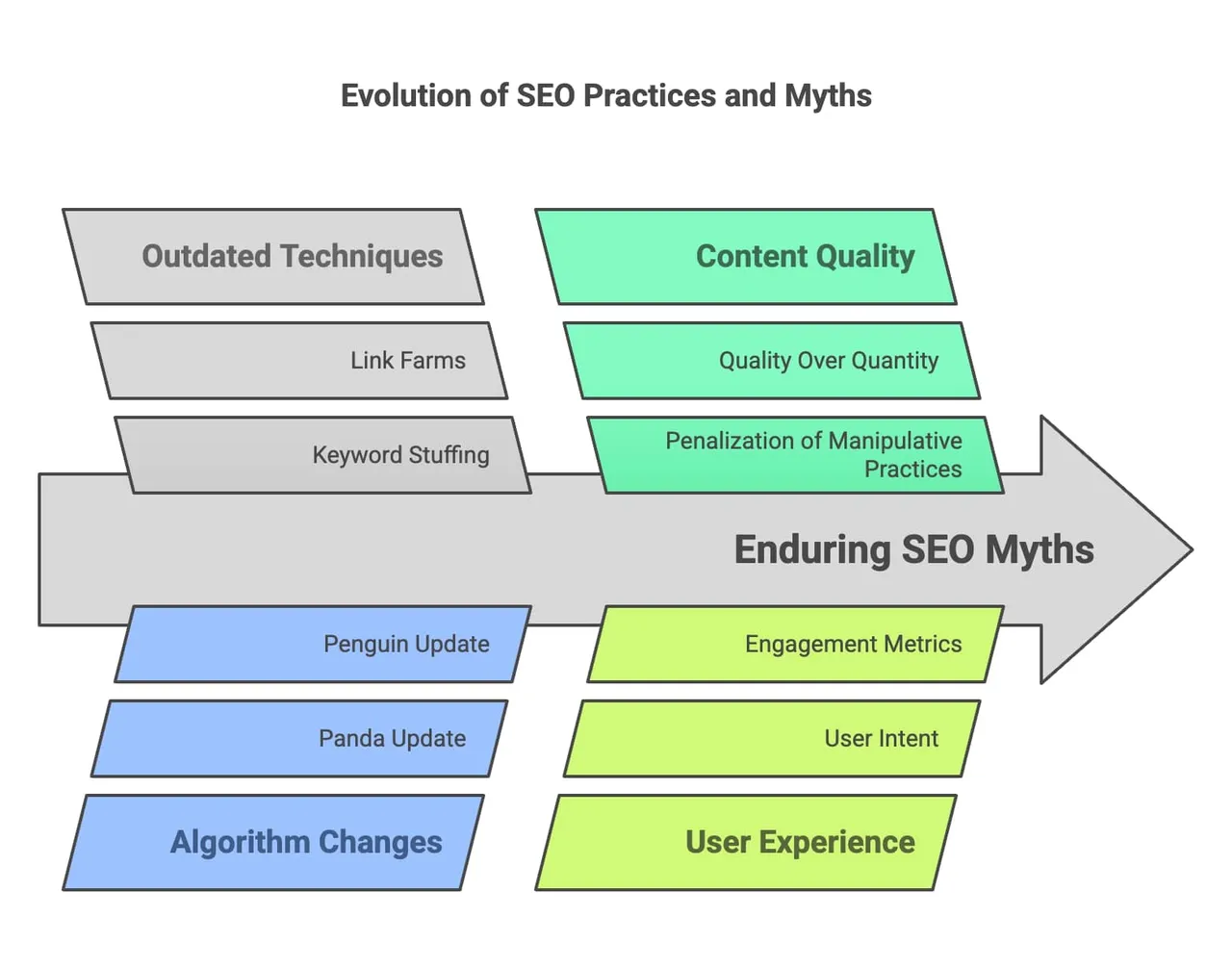
Past SEO Practices Led to Enduring Myths:
Changes in Search Engine Algorithms Debunk Old Beliefs:
Most SEO myths are simply advice that outlived the algorithm it was written for. Read the history of Google's search algorithms in sequence and the pattern is hard to miss: nearly every myth on this page traces back to an era search has already left behind.
Misinformation can spread fast, especially in industries that evolve as rapidly as SEO. Misunderstandings and half-truths can lead professionals down the wrong path.
How Misinformation Spreads within SEO Communities:
Examples of Commonly Misunderstood SEO Practices:
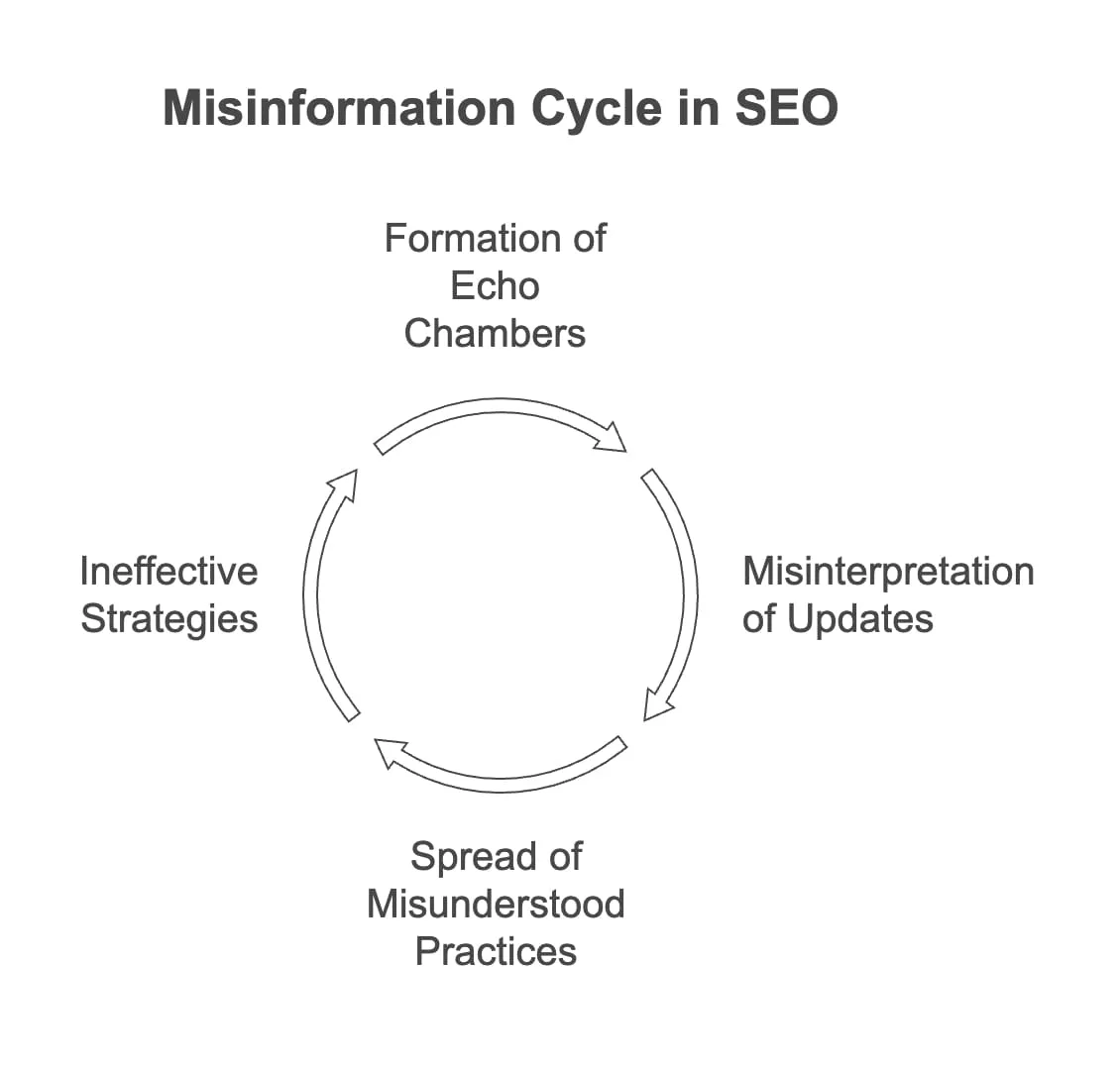
The risk is real: relying on outdated information leads to ineffective strategies and, sometimes, penalties. A recurring issue we see in audits is teams still leaning on the meta keywords tag, which the major search engines dropped from ranking consideration years ago.
Let's dig into some of the most pervasive SEO myths and debunk them with hard data and real-world insights. Addressing these misconceptions can meaningfully improve your SEO strategy.
Despite recurring claims that SEO is obsolete, the data tells a different story.
Growth and Evolution of SEO:
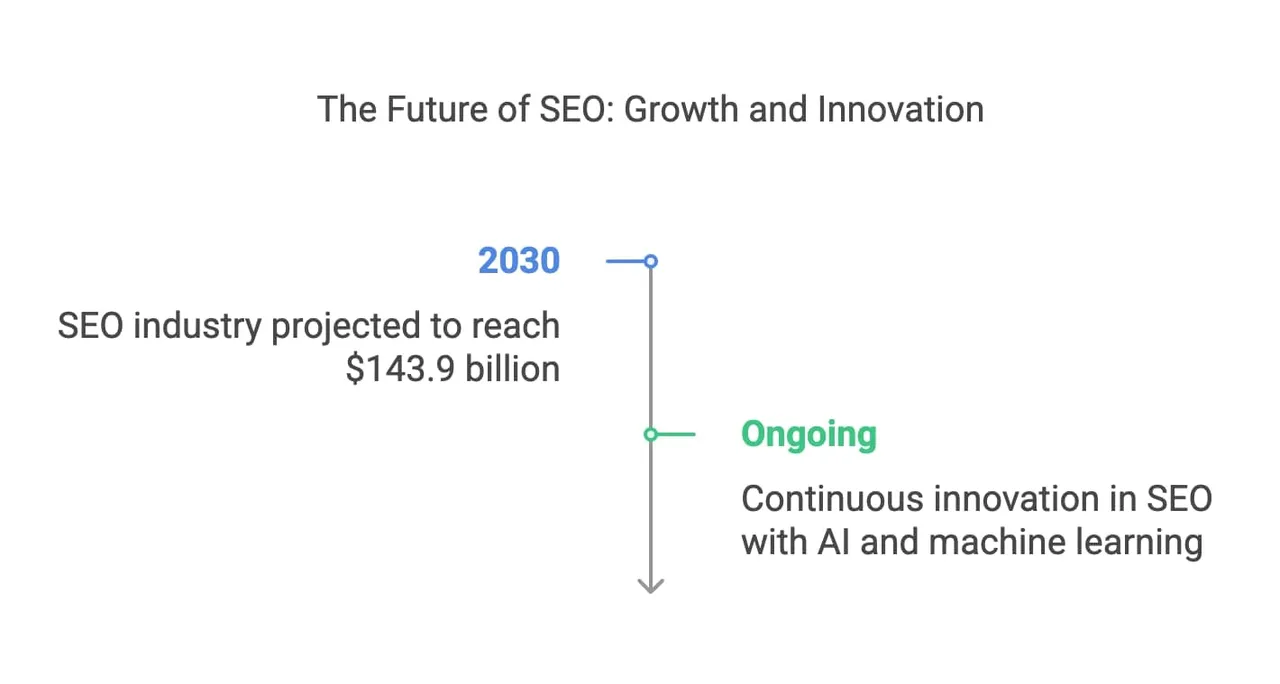
Recent SEO Wins Show the Channel Is Alive:
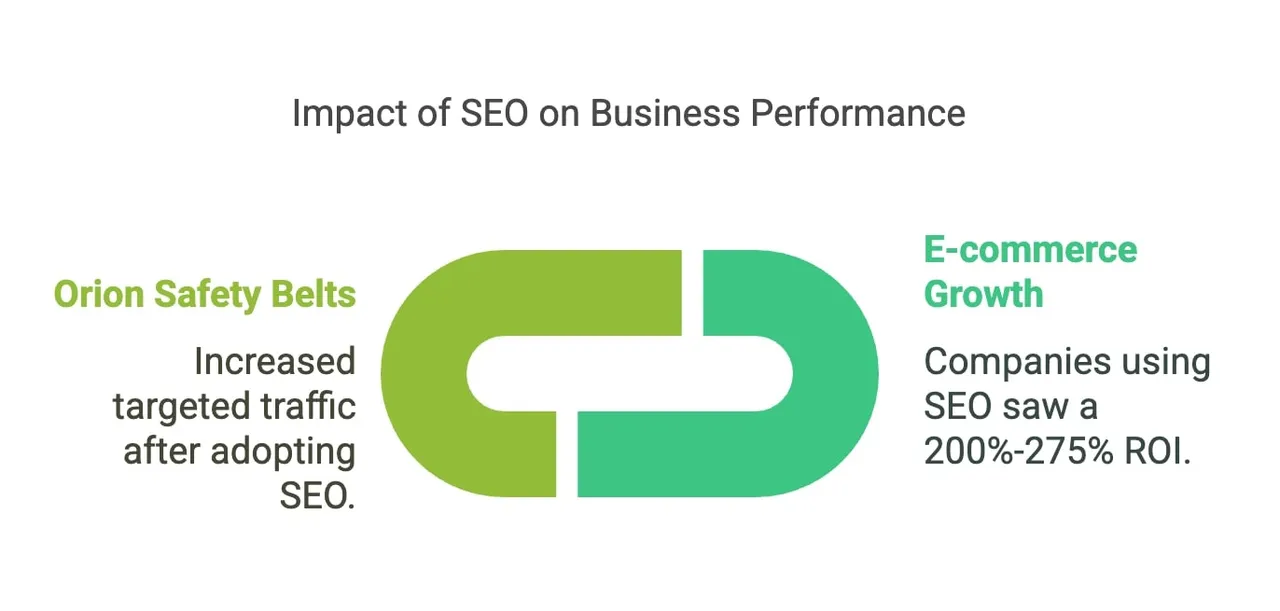
SEO isn't dying; it's evolving. When I audit a site a team swears has been "killed by AI," the real culprit is almost always technical debt they blamed on the algorithm, and that's fixable. The teams that treat AI search as the next chapter of SEO — not its obituary — are the ones compounding gains.
While keywords are important, they aren't the sole factor in SEO success.
Importance of User Intent and Content Quality:
Insights from Google's Algorithm Updates:
Keyword tools maintain databases in the tens of billions of terms, but coverage is table stakes — how you map terms to search intent is the differentiator.
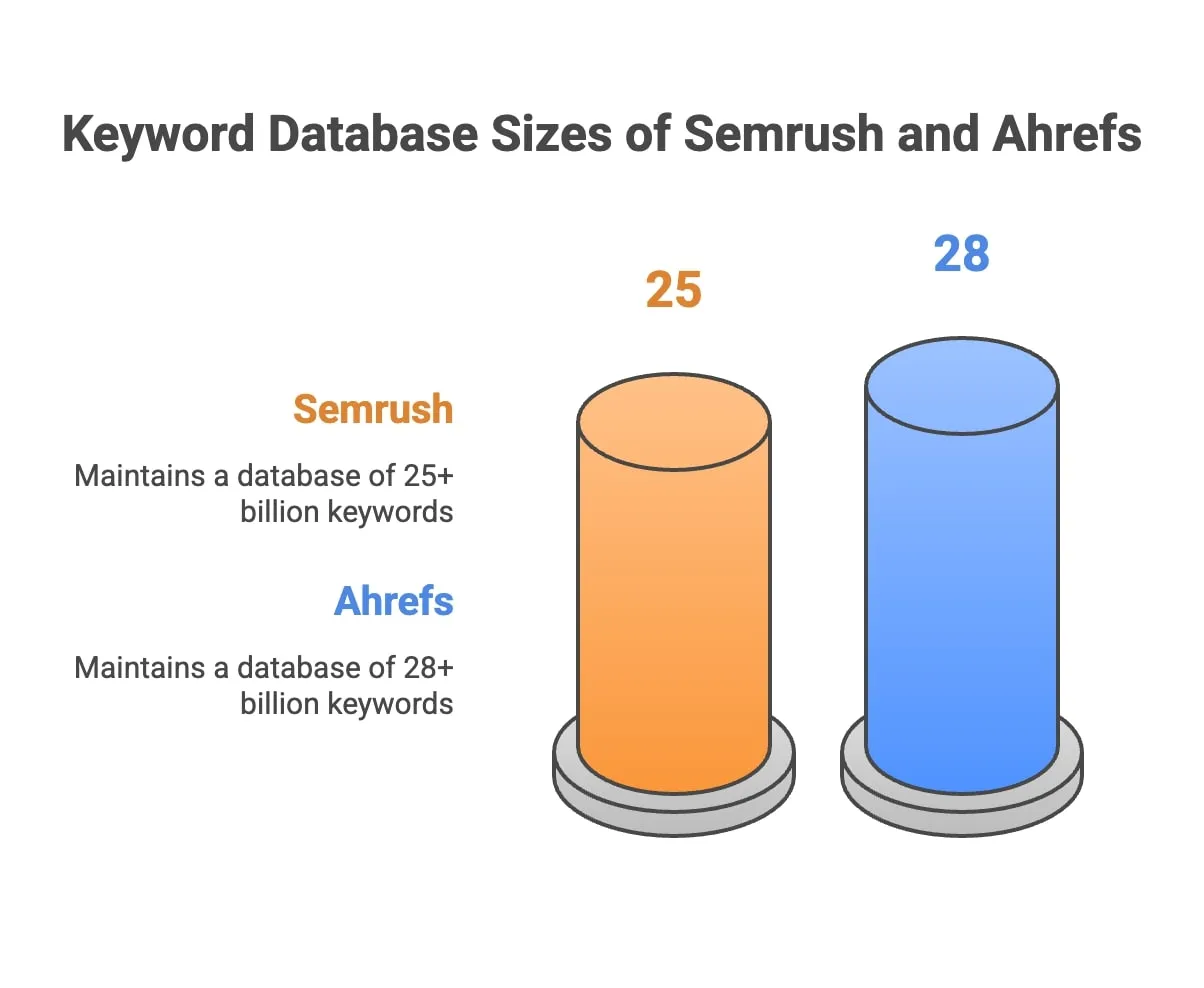
The approach I trust: build high-quality content that answers a real need, then let the keywords map to it — not the other way around.
The quality of backlinks far outweighs the sheer number.
Quality over Quantity of Backlinks:
Impact of Link-Building Strategies:
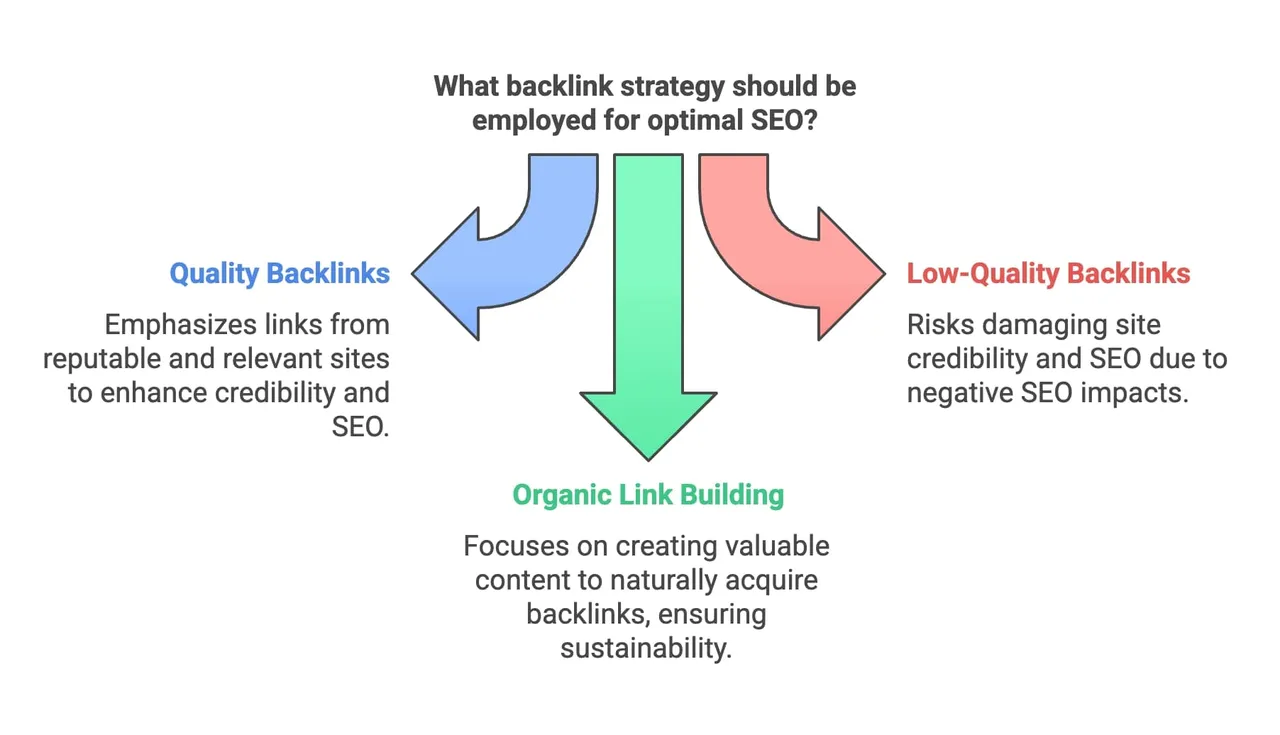
A home improvement company improved rankings by focusing on high-quality backlinks over raw volume, debunking the myth that quantity trumps quality (Ally Marketing).
Aggressive link-building schemes can trigger penalties. A strategic approach to backlinks — earning references, not buying them — yields far better long-term results.
This is the 2026 remix of "SEO is dead," and it's the myth I hear most often now. AI Overviews and chatbots have absolutely changed how people search — but they run on the same web index and the same signals SEO has always optimized.
What's actually true:
The practical move I recommend is to measure your AI visibility the same way you track rankings. It's why we built our GEO audit tool the way we did: it tells you whether you're a source or a spectator in the answers your customers now read first.
Misconceptions in SEO don't just mislead; they can have tangible negative impacts on strategies and outcomes. Adhering to myths leads to wasted resources and missed opportunities that could have been used for real gains.
When SEO professionals invest time and money based on myths, the consequences can be costly.
Chasing Ineffective Strategies:
Wasted Resources:
Businesses that follow SEO myths can miss out on real revenue growth, given that SEO still delivers some of the highest ROI in digital marketing — averaging 200%-275% for e-commerce (Writtent).
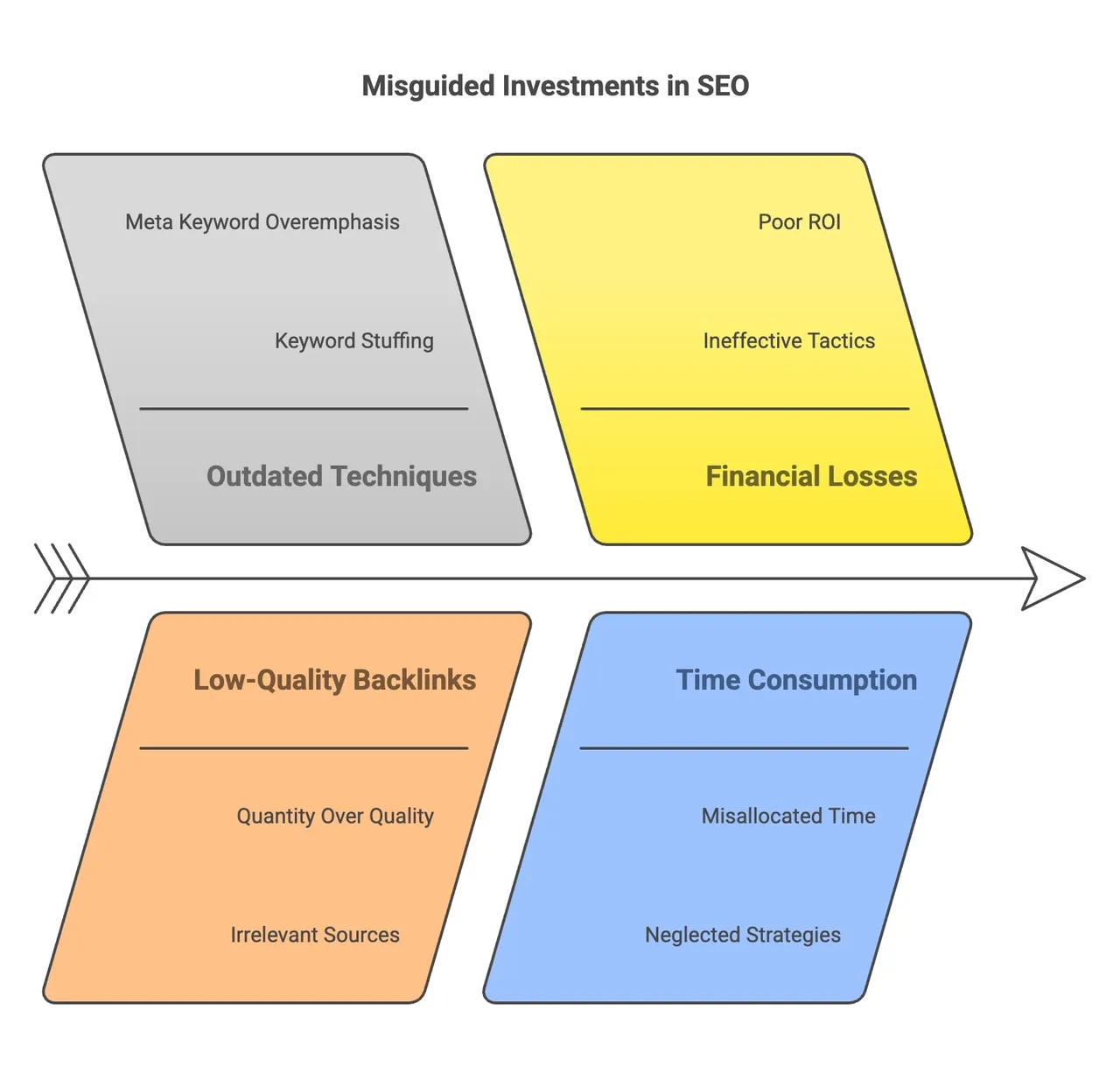
Case in Point: We repeatedly see teams fixated on backlink volume. The ones who pivot to earning authoritative, relevant links are the ones whose rankings actually move.
Believing in myths can cause professionals to overlook strategies that are truly effective.
Neglecting Mobile Optimization:
Overlooking User Intent:
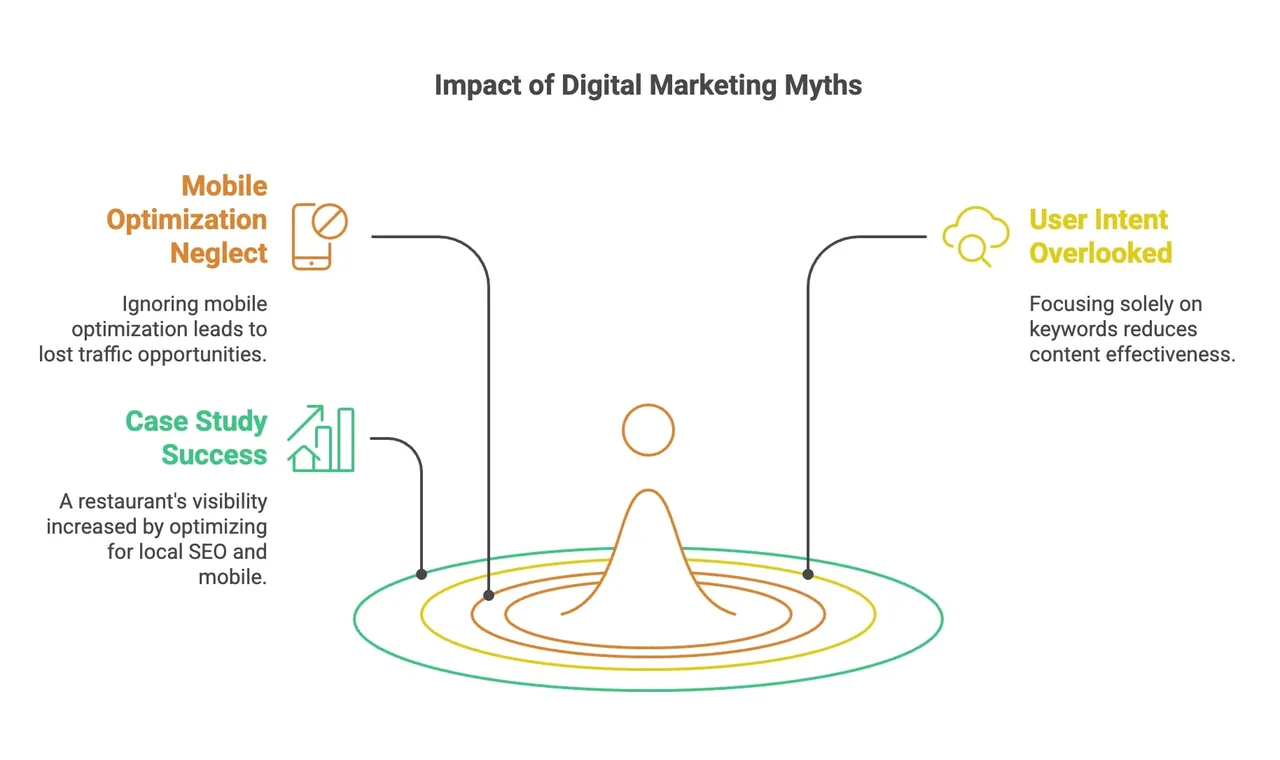
Case Study: A local restaurant improved its visibility by focusing on local SEO and mobile optimization, resulting in a 50% increase in local search visibility (Sixth City Marketing).
Clinging to myths hands opportunities to competitors who don't. Staying informed and adaptable is what lets you capitalize on emerging trends first.
Moving from myth-based tactics to data-driven decisions is what separates guesswork from results. Here's how to use data and analytics to refine SEO practices.
The right tools surface insights that debunk myths and guide effective strategies.
SEO Analytics Tools:
Google Analytics 4 (GA4):
Google Search Console:
SEO Platforms:
Data Interpretation Techniques:
A/B Testing:
Heatmaps and User Flow Analysis:
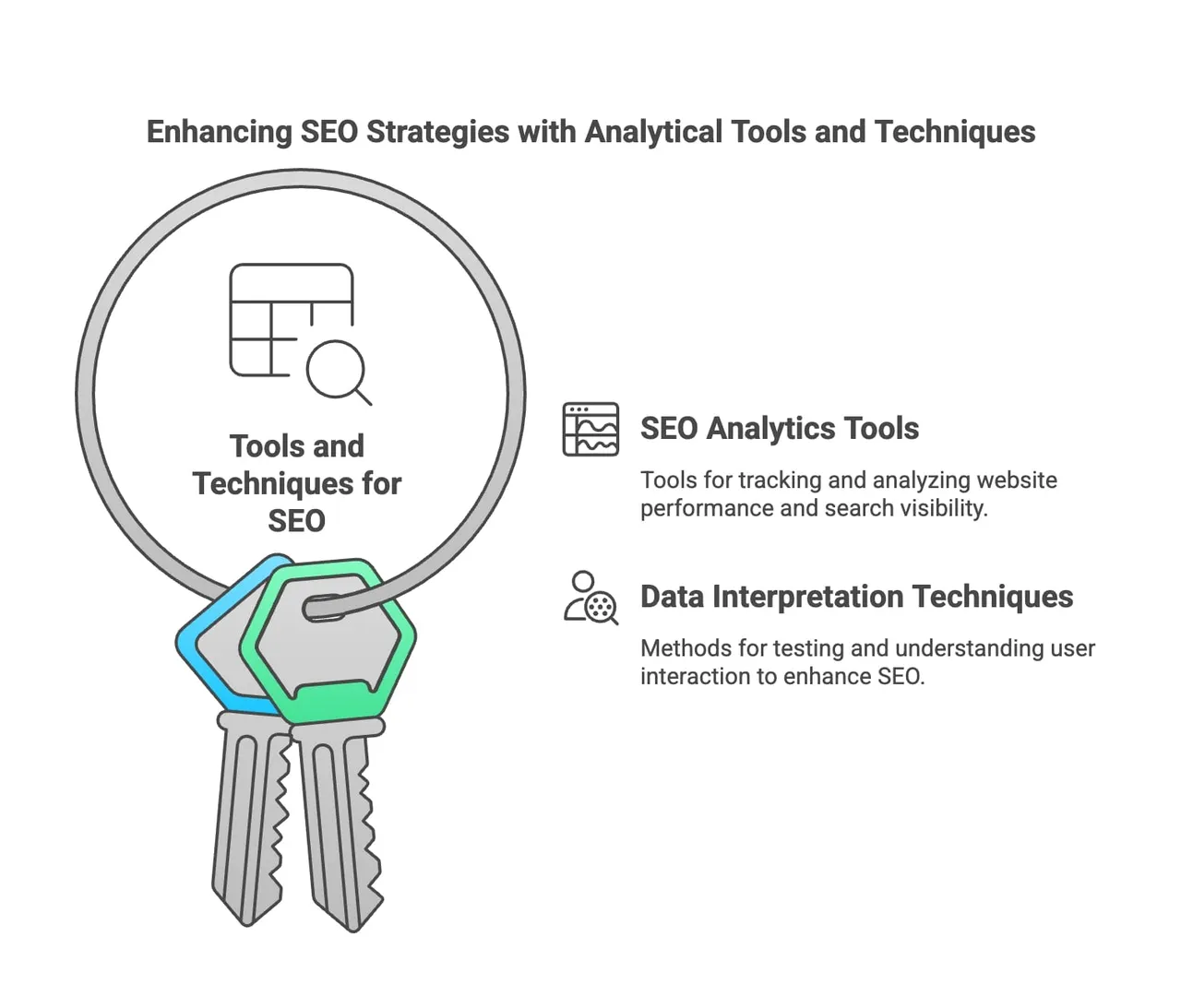
I tell every team the same thing: audit your SEO regularly with these tools so every decision is backed by concrete data, not the loudest opinion in the room.
Building strategies based on data leads to more reliable outcomes.
Steps for Developing a Data-Driven Strategy:
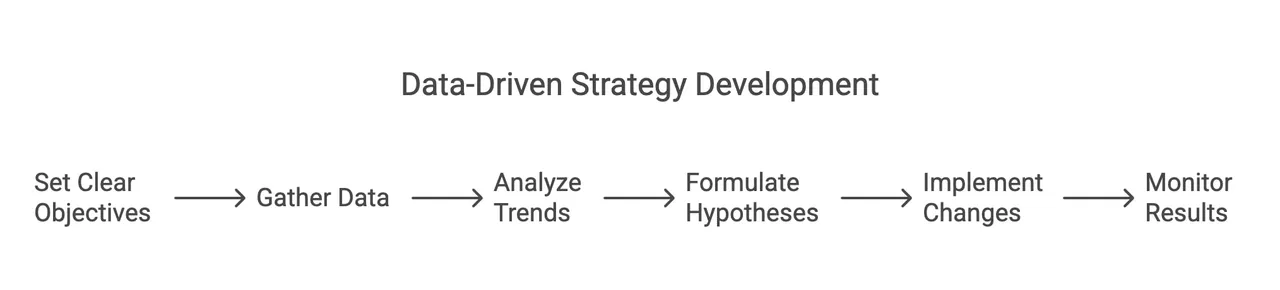
A Familiar Turnaround Pattern:
Data doesn't lie. Using it to guide your SEO efforts is what turns debunked myths into growth.
The SEO industry is ever-changing, and staying ahead means anticipating what's next. Embracing emerging technologies and methodologies is the whole game.
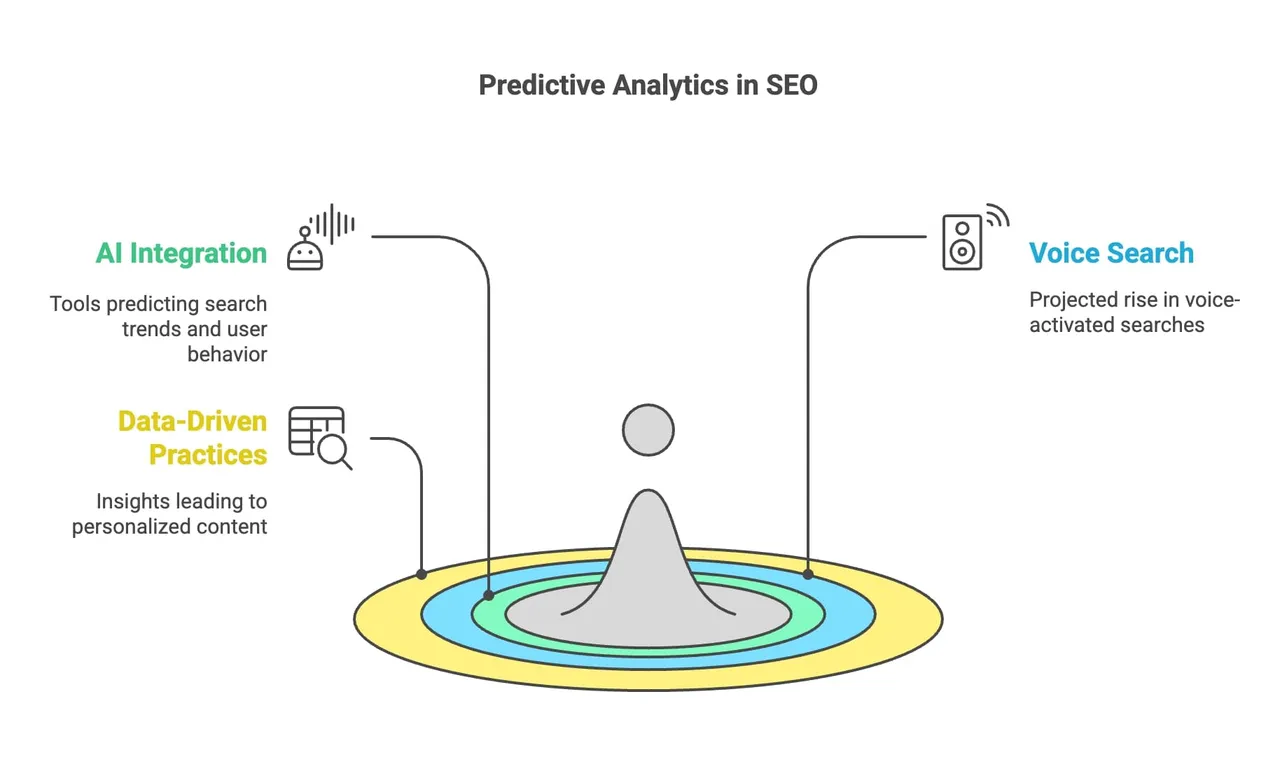
AI is no longer a "future trend" — it's the surface most searches now touch first.
Emerging Trends:
AI and Machine Learning Integration:
Voice Search — a Cautionary Myth:
Data Insights into Future Practices:
Personalization:
Real-Time Adjustments:
Adaptability and continuous learning are essential in the SEO field.
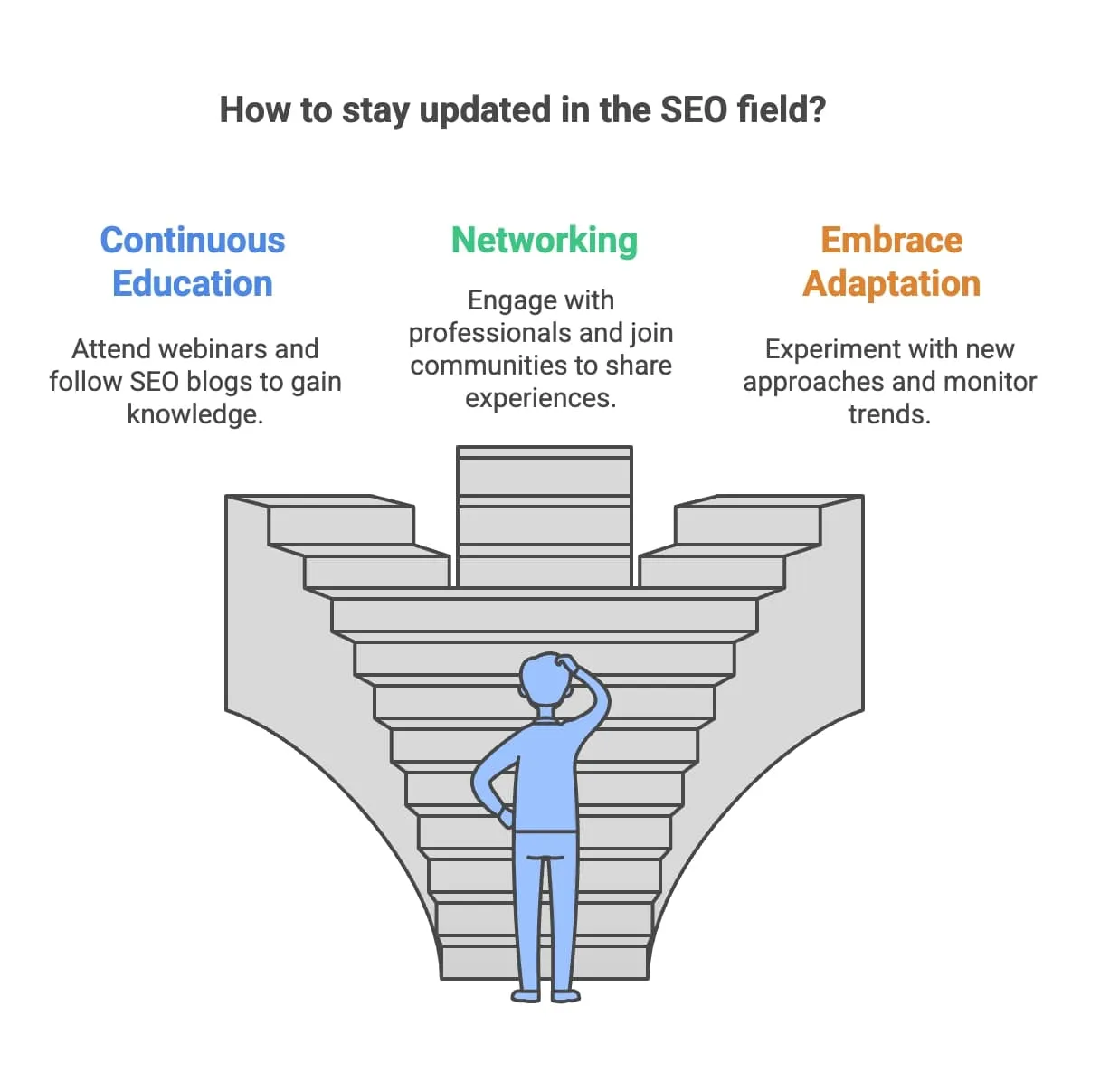
Strategies for Staying Updated:
Continuous Education:
Networking:
Embracing a Mindset of Adaptation:
Experimentation:
Monitoring Trends:
Failure to adapt leaves you behind. The only constant in SEO is change, and embracing it is non-negotiable.
Myths Can Hinder Progress:
Data Is Essential:
Adaptation Ensures Success:
Questioning assumptions and basing actions on solid data is the path to SEO success. The myths change; the discipline of checking your beliefs against the numbers doesn't.
Resources for Further Learning:
Engage with the Community:
By staying informed and flexible, you position yourself for ongoing success in the dynamic field of SEO.
To further solidify our understanding of SEO myths and realities, here are answers to the questions I encounter most often in audit and strategy work.
1. Is SEO really dead or dying?
No, SEO is very much alive and continues to be a vital component of digital marketing strategies.
Businesses that invest in SEO continue to see significant returns.
2. Will AI Overviews and ChatGPT make SEO obsolete?
No. They change how answers are delivered, not whether SEO matters.
Track your AI visibility alongside your rankings, because being cited in an AI answer now drives measurable clicks.
3. Do keywords no longer matter in SEO?
Keywords still matter, but not in the way they used to.
Integrating keywords naturally and focusing on topics is what enhances SEO effectiveness.
4. Is link building no longer important for ranking?
Link building remains a key ranking factor.
The reliable strategy is creating content others want to reference and share.
5. Does mobile optimization really affect my website's ranking?
Absolutely, mobile optimization is critical.
Neglecting mobile optimization can significantly harm your site's visibility.
6. Is social media activity a direct ranking factor in SEO?
Social media is not a direct ranking factor, but it can impact SEO indirectly.
Integrating social media with SEO amplifies overall online presence.
7. Does having more pages improve my site's ranking?
Not necessarily. Quality trumps quantity.
Audit content regularly, consolidating or improving underperforming pages.
8. Is local SEO only for small businesses?
No, local SEO benefits businesses of all sizes.
Even large enterprises gain from optimizing for local searches.
9. Do meta tags still matter for SEO?
Some meta tags matter, but others have faded in importance.
Optimizing title tags and meta descriptions is essential; focus on meta keywords is not.
10. Can I set and forget my SEO efforts once optimized?
SEO requires ongoing effort.
Regular monitoring and adjustments are the key to sustained SEO success.
11. Is duplicate content always penalized by Google?
Duplicate content doesn't necessarily lead to a penalty, but it can cause issues.
Prioritize original, unique content and manage duplicates properly.
12. Does paid search (PPC) improve organic rankings?
Paid search does not directly affect organic rankings.
Combining SEO and PPC can be beneficial, but one doesn't directly influence the other's rankings.
13. Are header tags (H1, H2, etc.) still important?
Yes, header tags are important for both SEO and user experience.
Proper use of header tags contributes to better rankings and readability.
14. Will changing my domain name harm my SEO?
Changing your domain can impact SEO if not handled correctly.
Careful planning and execution are critical when changing domains.
15. Can I achieve quick SEO results with the right tactics?
SEO is a long-term strategy.
Patience and consistent effort are essential for sustainable SEO success.
Who wrote it, what changed and how to tell us about a mistake.

Isabella Edwards
Technical SEO Content Manager, SEOmator
Leads technical SEO content at SEOmator: audits, Core Web Vitals and on-page fixes
Isabella Edwards leads technical SEO content at SEOmator, turning crawl data, Core Web Vitals, and on-page signals into guidance teams can actually act on. She focuses on the practical side of search — auditing sites, fixing what holds rankings back, and explaining the reasoning behind each recommendation so non-specialists can follow along.
Published · Updated
Spot a mistake or a number that has gone stale? Tell us. We correct it and log the change in the History above. Report an error →
SEOmator plans and pricing
Most of this cluster ends in the same question: what does the tooling cost? Here is every plan, side by side.
SEOmator plans and pricing· 10 min read
Yes, Google Search Console is directionally accurate — but a 50-week impression bug and the num=100 removal reshaped 2025–2026 data. 4 GSC myths, debunked.


· 16 min read
Bing crawls roughly 36 pages for every visitor it sends back; Google needs about five. We compared both engines on market share, AI search, ad costs, and our own crawler data.


