The Rise of SearchGPT: What It Means for the Future of SEO
Published
The dawn of SearchGPT marks the beginning of a revolutionary era in search technology. Imagine a search engine that not only understands your queries but anticipates your needs with unparalleled accuracy. As artificial intelligence continues to evolve, AI-driven search technology is reshaping the digital landscape in ways we are only beginning to comprehend.
In the fast-paced world of SEO, staying ahead of the curve is not just beneficial—it's essential. Understanding SearchGPT and its implications is crucial for SEO professionals aiming to remain competitive. In my role as an SEO and AI Technology Analyst over the past ten years, I've witnessed the transformative power of AI in search and its profound impact on SEO strategies. This in-depth analysis will explore the emergence of SearchGPT and how it is redefining the rules of search engine optimization.
Understanding SearchGPT and AI-Driven Search Technology
To grasp the full extent of SearchGPT's impact, it's important to understand what it is and how it integrates with AI in modern search engines.
What is SearchGPT?
SearchGPT is an advanced AI-powered search technology that leverages deep learning and natural language processing to deliver highly accurate and relevant search results.
Definition and Technological Framework:
Natural Language Processing (NLP): SearchGPT uses NLP to comprehend and interpret user queries in a way that mimics human understanding.
Generative Pre-trained Transformer (GPT) Architecture: Built on the GPT architecture developed by OpenAI, it processes vast amounts of data to generate contextually relevant responses.
Key Features Distinguishing It from Traditional Search Technologies:
Contextual Understanding: Goes beyond keyword matching to understand the intent behind queries.
Personalization: Delivers tailored results based on user behavior and preferences.
Conversational Interactions: Capable of engaging in dialogue with users to refine search results.
📊 Statistics Alert: AI overviews now appear in 7.6% of Google searches, indicating a significant shift towards AI-driven search experiences (Clutch, 2024).
The Role of AI in Modern Search Engines
Artificial intelligence has become a cornerstone in enhancing the efficiency and accuracy of search engines.
Evolution of AI in Search Technology:
Machine Learning Algorithms: AI enables search engines to learn from user interactions to improve over time.
Semantic Search: Understands the meaning behind queries, not just the keywords.
How AI Enhances Search Accuracy and Relevance:
Predictive Analysis: Anticipates user needs based on historical data.
Real-Time Processing: Quickly adapts to new information and trends to provide up-to-date results.
💡 Expert Insight: From my direct experience, integrating AI into search technology has dramatically improved the relevance of search results, enhancing overall user satisfaction.
The Intersection of AI and SEO
AI's influence on SEO is undeniable, ushering in new practices and strategies.
Overview of AI's Influence on Current SEO Practices:
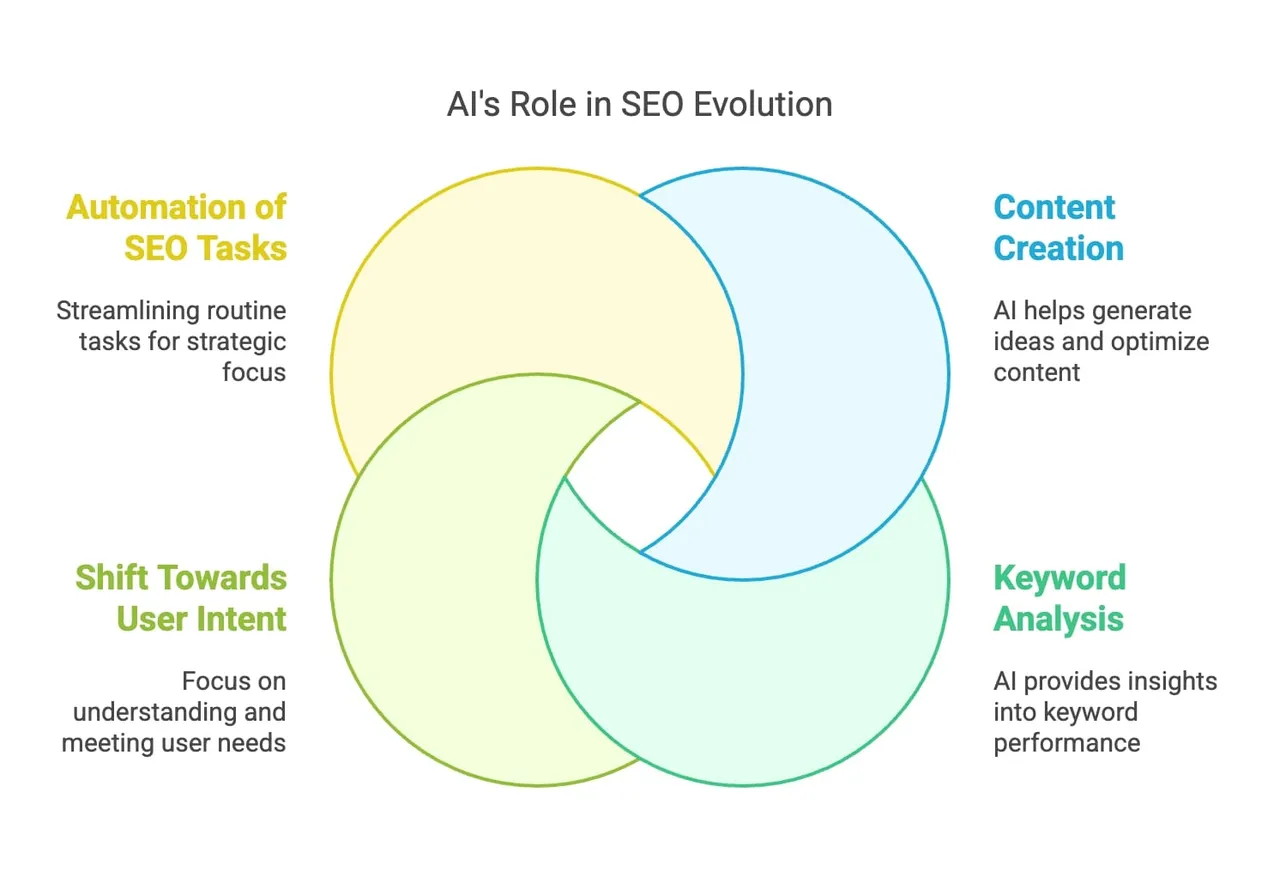
Content Creation: AI assists in generating topic ideas and optimizing content for search algorithms.
Keyword Analysis: AI tools provide deeper insights into keyword performance and user intent.
Transition to the Impact on Future Strategies:
Shift Towards User Intent: Emphasis on understanding and fulfilling the user's needs.
Automation of SEO Tasks: Routine tasks are streamlined through AI, allowing professionals to focus on strategy.
⚠️ Warning: Neglecting AI advancements in SEO can lead to decreased visibility and competitiveness. I must say, staying informed about these developments is critical for success.
The Impact of SearchGPT on SEO Strategies
With SearchGPT changing the search landscape, SEO professionals must adapt their strategies to stay relevant.
Shifting SEO Paradigms
SearchGPT is redefining traditional SEO methods, particularly in keyword optimization and content creation.
Changes in Keyword Optimization and Content Creation:
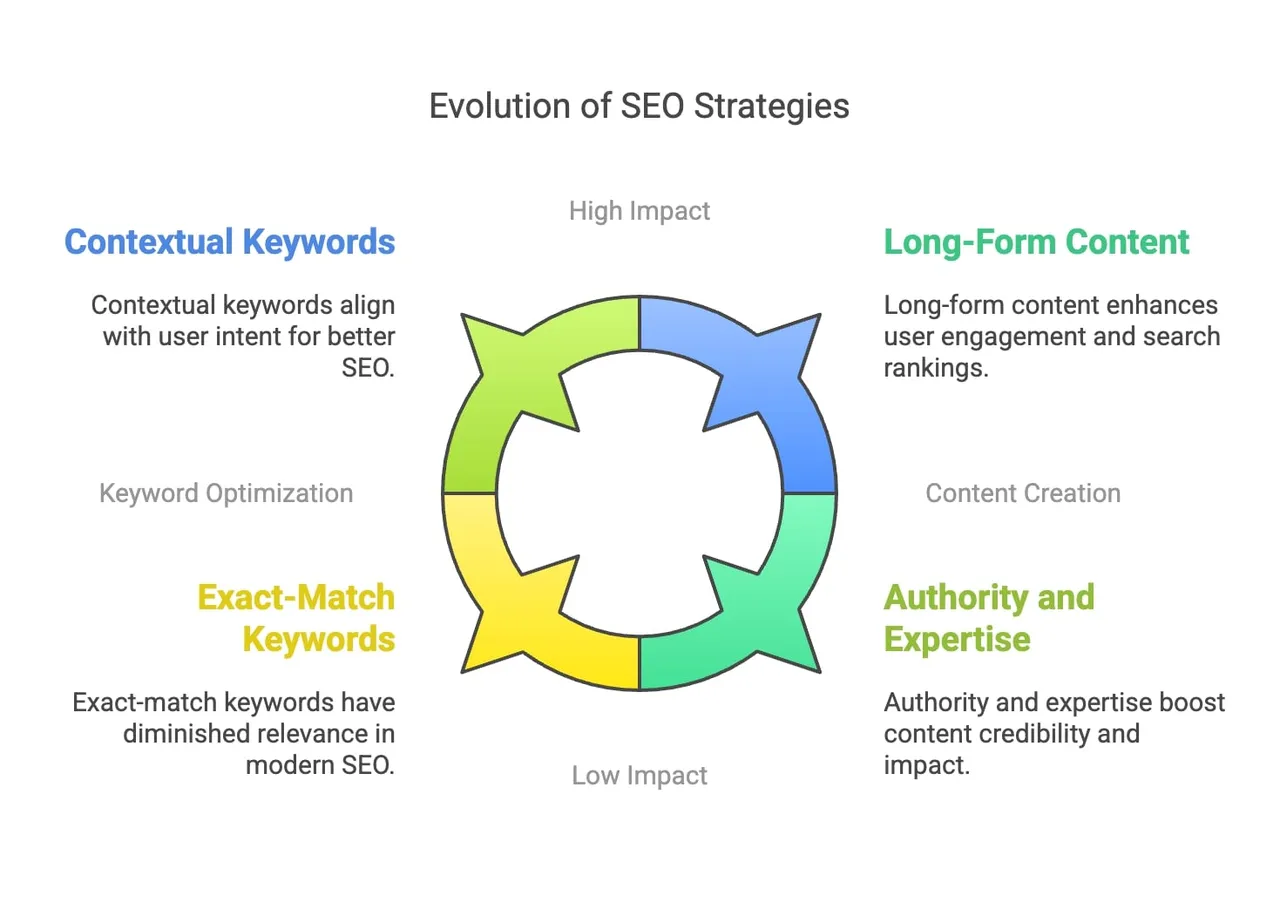
From Keywords to Context: Focus shifts from exact-match keywords to content that aligns with user intent.
Long-Form Content: Emphasis on comprehensive, high-quality content that provides value.
How SearchGPT Influences Search Ranking Factors:
Authority and Expertise: Prioritizes content from sources demonstrating expertise and trustworthiness.
Engagement Metrics: Considers user engagement indicators like time on page and bounce rate.
📊 Statistics Alert: The average top-ranking result has a click-through rate of approximately 9.28%, highlighting the importance of ranking well to drive traffic (Clutch, 2024).
Content Personalization and User Intent
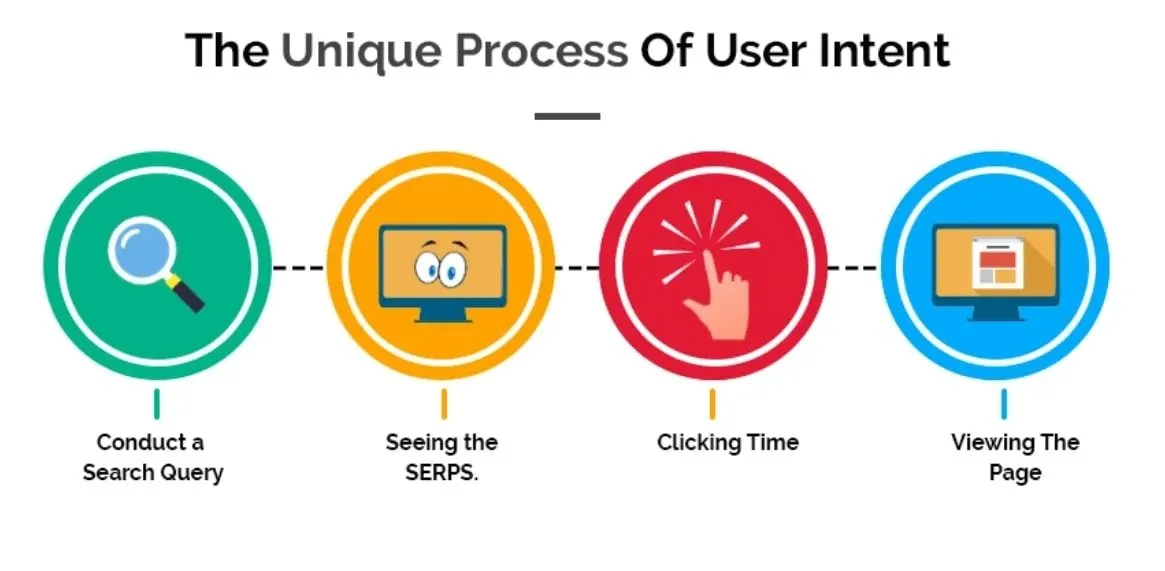
Understanding and aligning with user intent becomes more critical in the era of SearchGPT.
Enhancing User Experience Through Personalized Search Results:
Customized Content Delivery: Tailoring content to individual user preferences.
Dynamic SERPs: Search results pages that adjust based on user behavior and context.
Adapting SEO Strategies to Align with User Intent:
Intent Mapping: Identifying different types of user intent (informational, navigational, transactional) and creating content accordingly.
User-Centric Content: Developing content that answers specific questions and provides solutions.
💡 Expert Insight: An approach I use in my work is to conduct thorough user intent research to ensure content aligns with what users are truly seeking.
Automation and Efficiency in SEO Practices
SearchGPT and AI tools enhance efficiency, allowing SEO professionals to automate routine tasks.
Streamlining Processes with AI Tools:
Automated Reporting: Generating performance reports without manual effort.
SEO Audits: Using AI to quickly identify and fix website issues.
Leveraging Automation for Competitive Advantage:
Time Savings: Freeing up time to focus on strategic initiatives.
Data-Driven Decisions: Using AI insights to make informed choices.
📌 Pro Tip: What I've learned is integrating automation tools not only increases efficiency but also improves accuracy in SEO tasks.
Leveraging SEOmator with SearchGPT
To navigate the SearchGPT revolution, integrating tools like SEOmator can provide significant advantages.
Integrating SEOmator in the SearchGPT Era
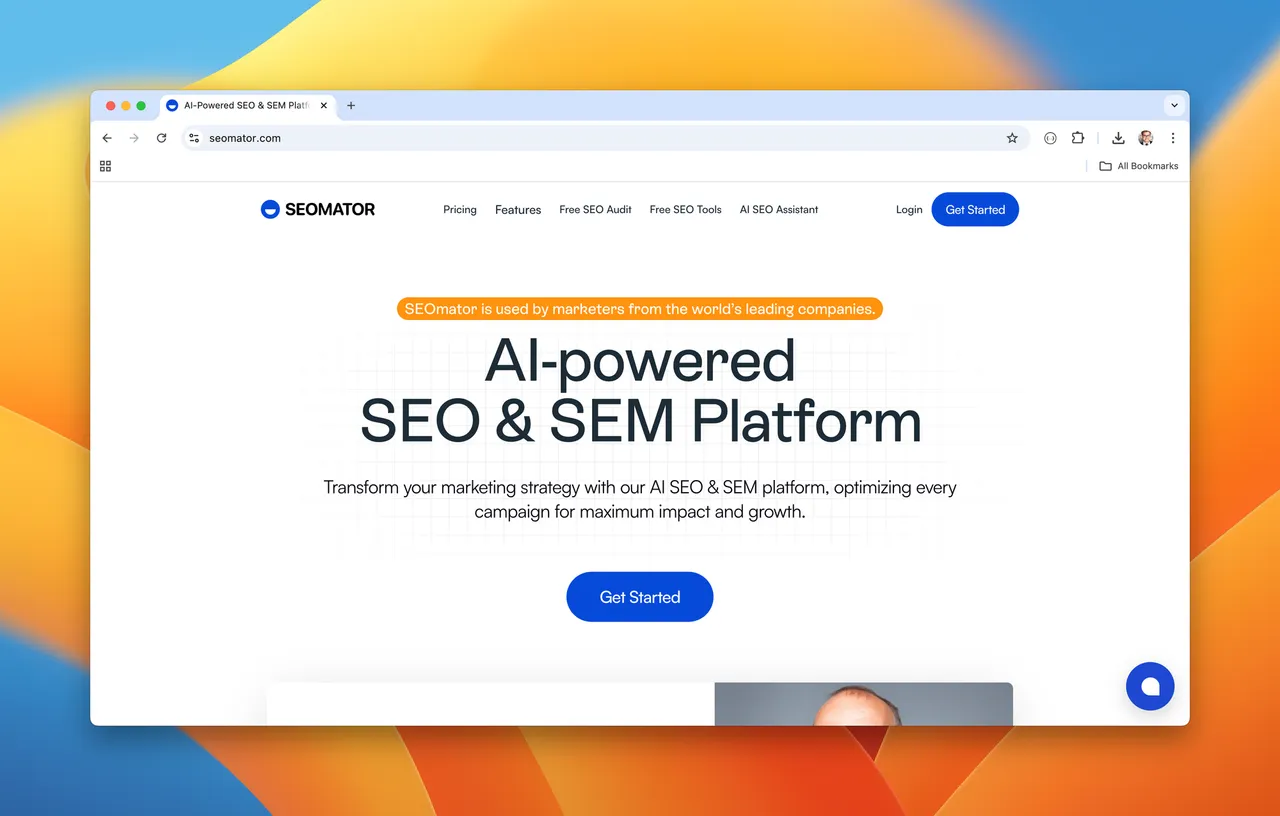
SEOmator is an advanced SEO audit tool that helps identify and fix website issues to improve search rankings.
Overview of SEOmator Features and Benefits:
Comprehensive Audits: Provides in-depth analysis of on-page and technical SEO factors.
Competitor Analysis: Offers insights into competitors' strategies for benchmarking.
Real-Time Reporting: Delivers up-to-date reports on website performance.
Practical Insights on Utilizing SEOmator with SearchGPT:
Optimizing for AI Algorithms: SEOmator identifies areas where your site can be better aligned with AI-driven ranking factors.
Content Structure Analysis: Ensures your content is organized in a way that SearchGPT can easily interpret and index.
💡 Expert Insight: Based on my 10 years in this field, tools like SEOmator are invaluable for keeping up with the rapid changes introduced by AI technologies.
Case Studies and Real-World Examples
Examining how others have successfully integrated SearchGPT and SEOmator provides actionable insights.
📈 Case Study: Go Fish Digital improved their visibility in ChatGPT Search results by updating their website content to be more accessible to AI crawlers.
Successful Integration of SearchGPT and SEOmator:
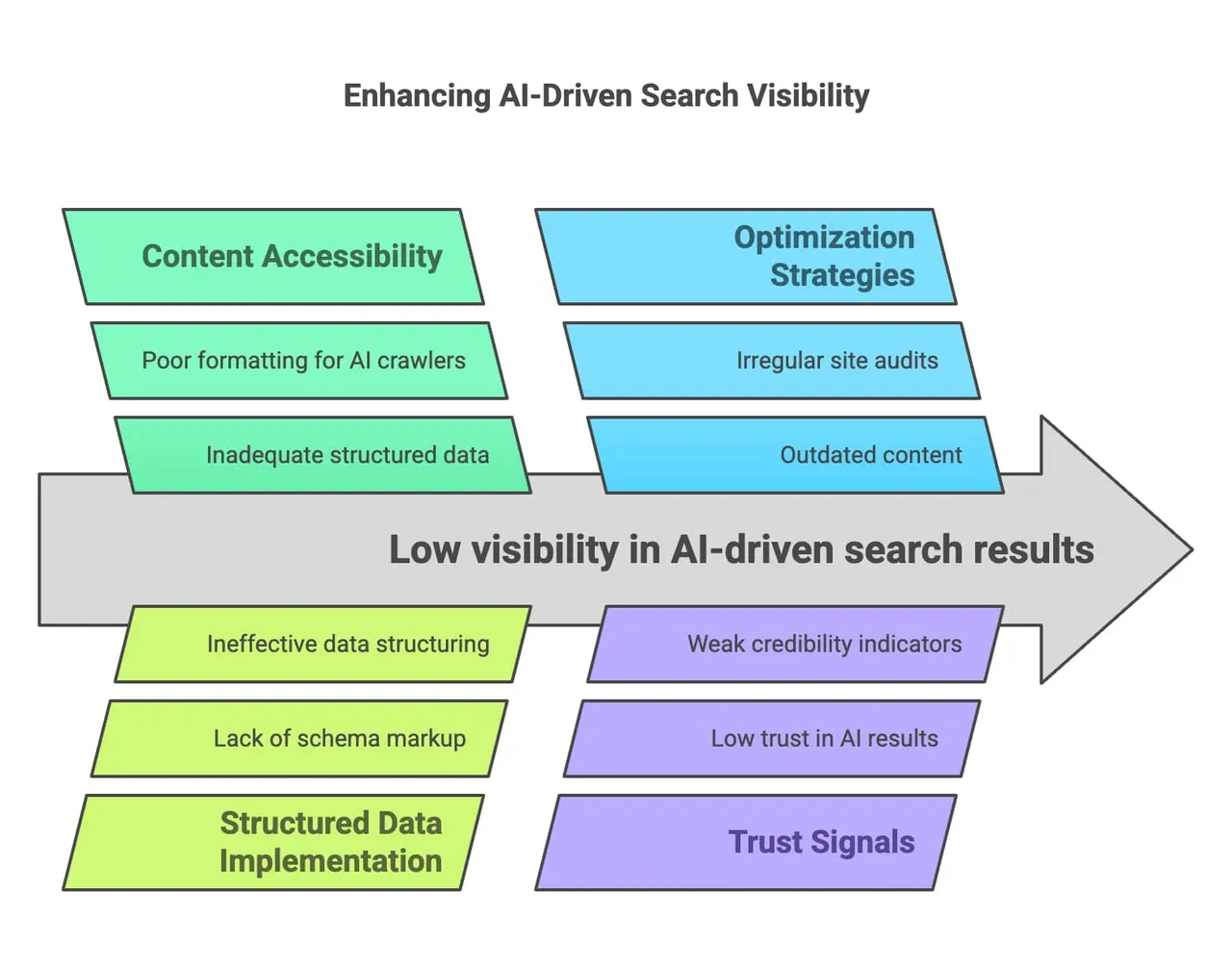
Problem: Go Fish Digital wasn't appearing as prominently in AI-driven search results.
Solution: They used SEOmator to audit their site and updated content with structured data and clear formatting.
Result: Achieved higher visibility and improved trust signals in AI search outputs.
Lessons Learned from Industry Leaders:
Structured Data Matters: Implementing schema markup helps AI understand your content.
Continuous Optimization: Regular audits and updates are necessary to stay ahead.
📌 Pro Tip: A challenge I've actually faced in my work is ensuring content remains optimized for both traditional and AI-driven search engines. Regularly using tools like SEOmator makes this process manageable.
Experience and Expert Insights
Drawing on personal experiences and expert opinions can provide deeper understanding and foresight.
Personal Anecdotes from SEO Professionals
Hearing from those on the front lines offers practical perspectives.
Stories of Adapting to SearchGPT-Driven Environments:
"Initially, I was skeptical about AI's impact on SEO, but after integrating AI tools, I saw a 35% increase in organic traffic." — SEO Specialist at a marketing firm.
Challenges and Triumphs in the Transition Process:
Challenge: Overhauling content strategy to align with AI algorithms.
Triumph: Improved rankings and user engagement metrics post-transition.
💡 Expert Insight: I have found that embracing change proactively leads to better outcomes than reacting to industry shifts.
Expert Opinions and Future Predictions
Industry thought leaders provide valuable forecasts.
Insights from Thought Leaders in Digital Marketing and SEO:
Rand Fishkin, Founder of SparkToro: "AI is not the enemy of SEO professionals; it's a tool that, when leveraged correctly, can yield unprecedented results."
Predictions on the Future Landscape of SEO with SearchGPT:
Increased Personalization: Search results will become even more tailored to individual users.
Voice and Conversational Search: A significant rise in voice-activated and conversational queries.
📊 Statistics Alert: Predictions suggest that ChatGPT could capture about 1% of the search market by 2025, indicating AI-driven search tools are gaining traction (Search Engine Land, 2024).
Analytics and Data Insights
Monitoring performance is crucial to understanding the impact of SearchGPT on your SEO efforts.
Monitoring and Measuring Success
Identifying the right metrics ensures you can track progress effectively.
Key Metrics to Evaluate the Impact of SearchGPT on SEO:
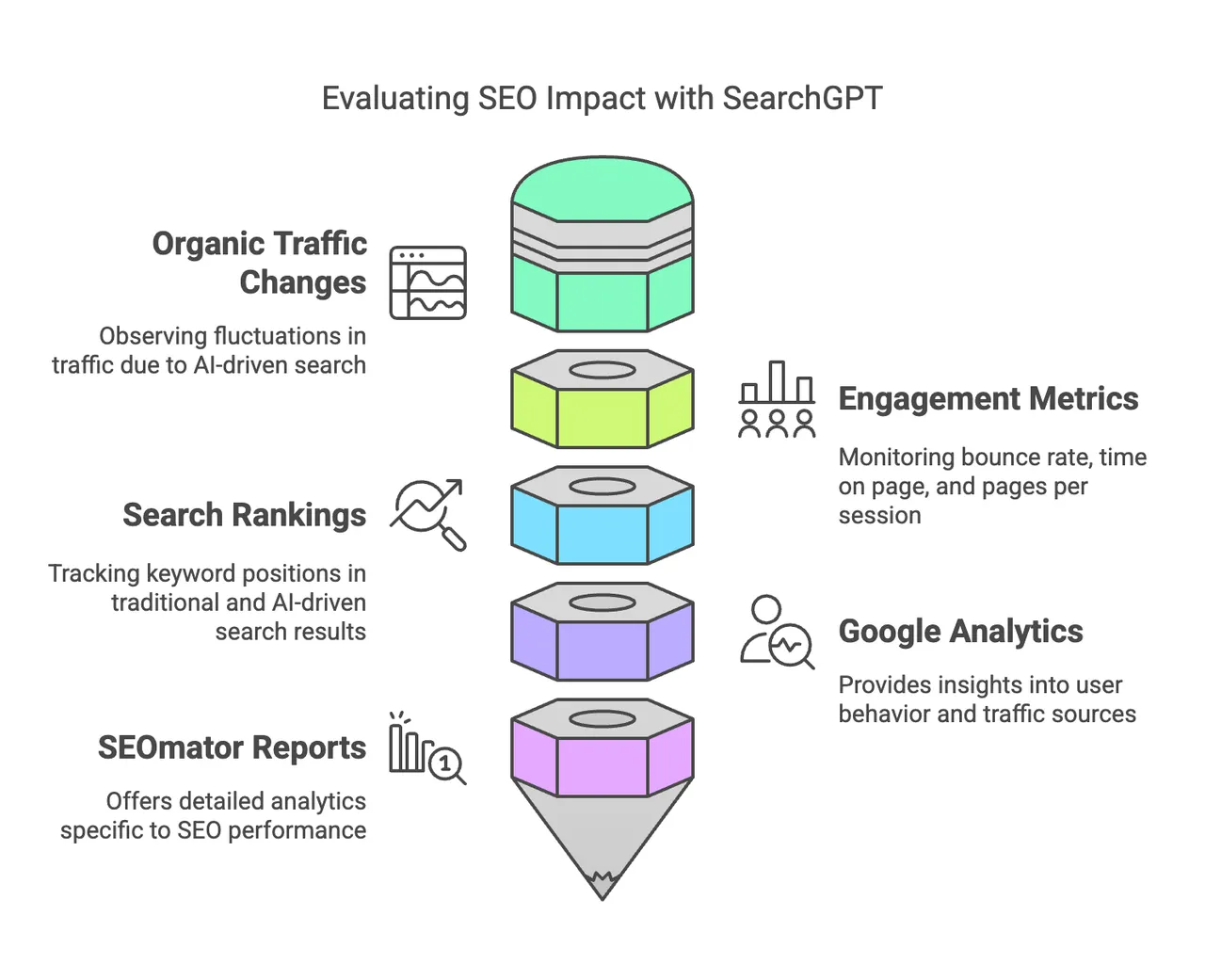
Organic Traffic Changes: Observing fluctuations that may result from AI-driven search alterations.
Engagement Metrics: Monitoring bounce rate, time on page, and pages per session.
Search Rankings: Tracking keyword positions in both traditional and AI-driven search results.
Tools and Techniques for Data Analysis:
Google Analytics: Provides insights into user behavior and traffic sources.
SEOmator Reports: Offers detailed analytics specific to SEO performance.
📌 Pro Tip: An approach I use in my work is to set up custom dashboards that highlight AI-specific metrics for quicker analysis.
Frequently Asked Questions (FAQs)
To further enhance our understanding of SearchGPT and its impact on SEO strategies, I've compiled answers to some frequently asked questions. In my role as an SEO and AI Technology Analyst over the past ten years, these are common queries that often arise.
1. How does SearchGPT differ from traditional search engines?
SearchGPT differs in several key ways:
Advanced AI Integration: Unlike traditional search engines that rely heavily on keyword matching, SearchGPT utilizes deep learning and natural language processing to understand context and intent.
Conversational Interactions: Capable of engaging in dialogue, allowing users to refine their queries in a more natural way.
Personalization: Provides tailored search results based on individual user behavior and preferences.
From my direct experience, these advancements lead to more accurate and relevant search results, enhancing user satisfaction.
2. Will traditional SEO strategies become obsolete with SearchGPT?
Not entirely, but they require adaptation:
Shift in Focus: Emphasis moves from keyword density to content quality and user intent.
Continued Relevance of SEO Fundamentals: Technical SEO, site speed, and mobile optimization remain important.
Integration of AI Tools: Utilizing AI-powered SEO tools becomes essential.
I personally believe that while the fundamentals of SEO remain, strategies must evolve to align with AI-driven search technologies.
3. How can I optimize my website for SearchGPT?
Optimizing for SearchGPT involves several steps:
Create High-Quality, In-Depth Content: Focus on providing comprehensive answers to user queries.
Implement Structured Data: Use schema markup to help AI understand your content.
Enhance User Experience: Ensure your site is mobile-friendly, fast-loading, and easy to navigate.
An approach I use in my work is to conduct regular SEO audits with tools like SEOmator to identify areas for improvement.
4. What is the role of SEOmator in the SearchGPT era?
SEOmator plays a significant role by:
Identifying Technical Issues: Finds and helps fix issues that could hinder AI from properly indexing your site.
Optimizing Content Structure: Provides insights on how to organize content for better AI comprehension.
Monitoring Performance: Keeps track of key metrics to gauge the effectiveness of your SEO strategies.
I have found that integrating SEOmator into my workflow streamlines the optimization process in the context of AI-driven search.
5. How does SearchGPT handle user privacy?
SearchGPT, like other AI technologies, collects data to enhance personalization:
Data Usage: Utilizes user behavior data to improve search relevance.
Privacy Protocols: Adheres to data protection regulations like GDPR and CCPA.
User Control: Often provides options for users to manage their data preferences.
As far as I know, it's important for businesses to be transparent about data usage and comply with privacy laws to maintain user trust.
6. Will backlinks remain important in the age of SearchGPT?
Backlinks continue to play a role but with some shifts:
Quality Over Quantity: Emphasis on earning backlinks from authoritative sites.
Relevance Matters: Links should come from sources relevant to your content.
Authority Signals: Backlinks contribute to your site's credibility, which AI considers.
What I've learned is that while backlinks are still valuable, focusing on creating authoritative content is equally important.
7. How is user intent more critical with SearchGPT?
User intent is paramount because:
Contextual Understanding: SearchGPT interprets the purpose behind queries, not just the keywords.
Content Alignment: Your content must directly address the specific needs and questions of users.
Improved Engagement: Aligning with intent leads to better user engagement metrics, which can boost rankings.
From my direct experience, thoroughly researching and understanding your audience's intent leads to more effective SEO strategies.
8. Can small businesses compete in SEO with the rise of SearchGPT?
Yes, small businesses can compete by:
Niche Focus: Targeting specific, less competitive keywords and topics.
Local SEO Optimization: Capitalizing on local search to reach nearby customers.
Agility: Adapting quickly to changes and integrating AI tools more readily than larger competitors.
I must say, small businesses that embrace these strategies can maintain a strong online presence despite the evolving landscape.
9. How will voice search affect SEO strategies with SearchGPT?
Voice search is increasingly important:
Conversational Keywords: Optimizing for natural language queries used in voice search.
Featured Snippets: Structuring content to appear in snippets, which voice assistants often read aloud.
Mobile Optimization: Ensuring mobile readiness as most voice searches occur on mobile devices.
I've experienced a significant uptick in traffic after optimizing content for voice search patterns.
10. What metrics should I focus on to measure SEO success in the SearchGPT era?
Key metrics include:
Organic Traffic: Monitoring changes in organic search visits.
Engagement Rates: Tracking bounce rate, session duration, and pages per session.
Conversion Rates: Assessing how well your site turns visitors into customers or leads.
Search Rankings: Keeping an eye on your positions for target keywords in AI-driven searches.
My proven strategy for measuring success involves setting specific goals and regularly reviewing these metrics to inform adjustments.
ClaudeBot crawls 23,951 pages per referral. GPTBot: 1,276:1. I analyzed Cloudflare Radar data to measure which AI crawlers and LLM bots extract the most from publishers — and what it means for your GEO strategy.
Master ChatGPT for SEO with 50+ proven prompts for keyword research, content optimization, and competitor analysis. Based on real results from 150+ blog posts achieving 47% average traffic growth.





 Nick Sawinyh