SearchGPT vs. Traditional Search: A Comparative Analysis for SEOs
Published
Unveiling a new era in search technology, AI advancements are revolutionizing how we access and interact with information online. The evolution from traditional search algorithms to AI-driven solutions like SearchGPT marks a significant shift in the digital landscape. As search mechanisms become more sophisticated, understanding these changes is crucial for anyone involved in digital marketing and SEO.
In my role as an SEO Technology Analyst over the past seven years, I've witnessed firsthand how these advancements impact SEO practices. The transition to AI-driven search not only alters how users find information but also challenges SEO professionals to adapt strategies accordingly. This comparative analysis of SearchGPT and traditional search algorithms will delve into their advantages, limitations, and the implications for navigating the new SEO landscape.
The Rise of AI-Driven Search Mechanisms
The integration of artificial intelligence into search has paved the way for more intuitive and personalized user experiences. Let's explore how search technology has evolved to this point and what SearchGPT brings to the table.
Evolution of Search Technology
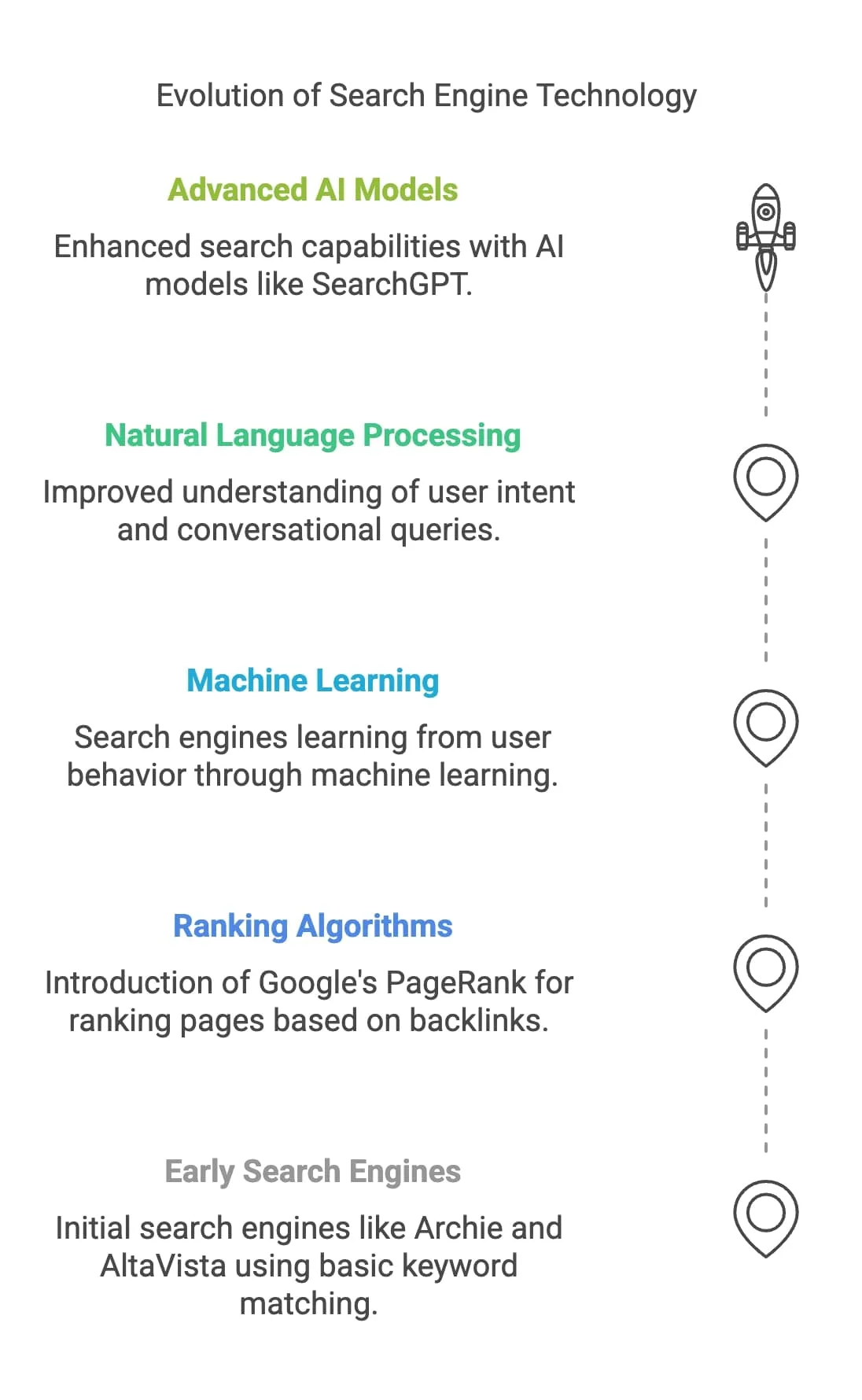
Search engines have come a long way since their inception, evolving from simple keyword matchers to complex algorithms.
Brief History of Search Engines and Their Development:
Early Days: Initial search engines like Archie and AltaVista relied on basic keyword matching.
Introduction of Ranking Algorithms: Google's PageRank introduced the concept of ranking pages based on backlinks and relevance.
Introduction of AI in Search and Its Growing Importance:
Machine Learning Algorithms: Enabled search engines to learn from user behavior.
Natural Language Processing (NLP): Improved understanding of user intent and conversational queries.
Rise of AI Models: The advent of AI models like SearchGPT has further enhanced search capabilities.
📊 Statistics Alert: SearchGPT excels in understanding complex, conversational queries due to its NLP capabilities, offering direct, context-aware answers (SearchEngineJournal, 2023).
What is SearchGPT?
SearchGPT represents a new generation of AI-driven search mechanisms that leverage deep learning and NLP to deliver more accurate and personalized results.
Overview of SearchGPT and Its Capabilities:
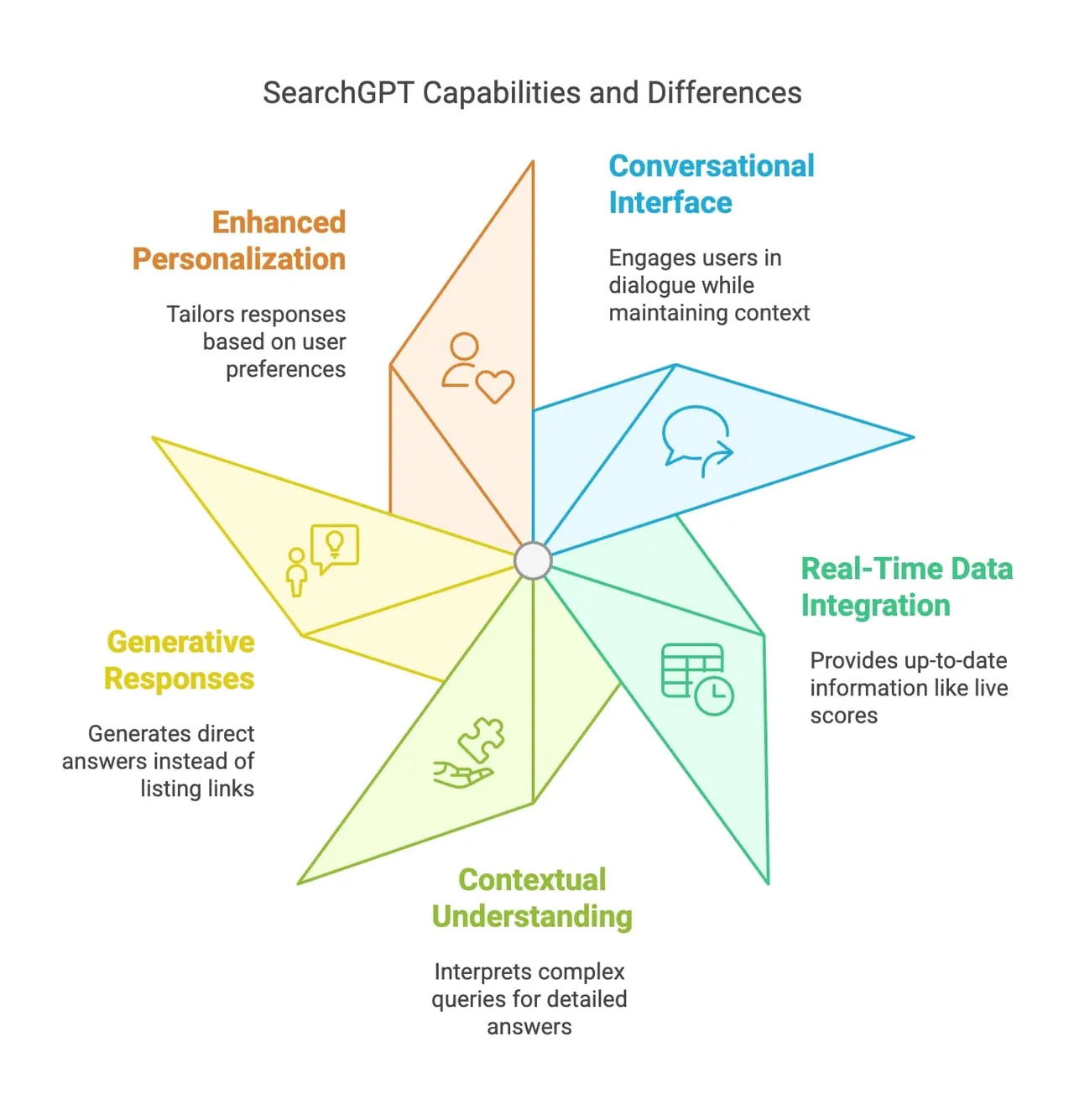
Conversational Interface: Engages users in a dialogue, maintaining context across interactions.
Real-Time Data Integration: Capable of providing up-to-date information like live sports scores and breaking news.
Contextual Understanding: Interprets complex queries and provides detailed answers.
How It Differs from Traditional Algorithms:
Generative Responses: Unlike traditional search engines that list links, SearchGPT generates direct answers.
Enhanced Personalization: Tailors responses based on previous interactions and user preferences.
💡 Expert Insight: From my direct experience, SearchGPT's ability to understand nuanced queries has significantly improved user satisfaction in information retrieval.
Advantages of AI-Driven Search
AI-driven search mechanisms offer several benefits over traditional search engines, enhancing both the user experience and the effectiveness of SEO strategies.
Enhanced Personalization and User Intent Understanding:
User Intent Recognition: Better grasps the purpose behind queries, providing more relevant results.
Personalized Responses: Adjusts answers based on individual user behavior and preferences.
Improved Accuracy and Efficiency in Search Results:
Context-Aware Answers: Considers previous queries to refine results.
Reduced Information Overload: Delivers concise responses, minimizing the need to sift through links.
🎯 Goal: Leverage AI-driven search to meet users' needs more effectively, enhancing engagement and satisfaction.
Traditional Search Algorithms: A Tried and Tested Approach
While AI-driven search is gaining traction, traditional search algorithms remain foundational to how users access information online. Understanding their strengths and limitations is essential.
Overview of Traditional Algorithms
Traditional search engines like Google and Bing use established algorithms to deliver search results based on relevance and authority.
Explanation of Traditional Search Mechanisms:
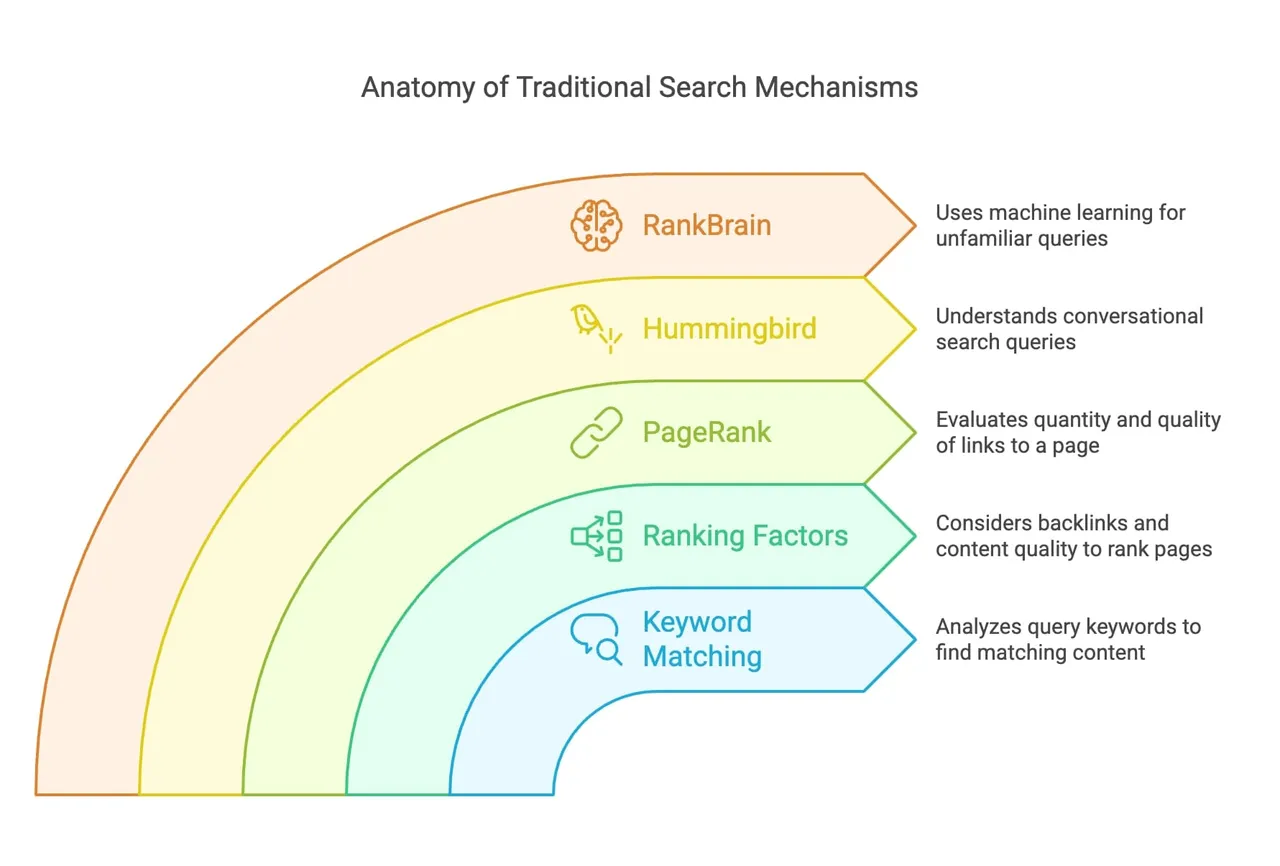
Keyword Matching: Analyzes query keywords to find matching content.
Ranking Factors: Considers backlinks, content quality, and other factors to rank pages.
Common Algorithms Used in Traditional Search Engines:
PageRank: Evaluates the quantity and quality of links to a page.
Hummingbird: Focuses on understanding conversational search queries.
RankBrain: Introduces machine learning to process unfamiliar queries.
📊 Statistics Alert: Traditional search engines like Google still dominate with over 80% of desktop searches worldwide, highlighting their entrenched position in user habits (WixSEOExpert, 2023).
Strengths of Traditional Search
Despite the rise of AI, traditional search engines offer reliability and familiarity that continue to make them indispensable.
Reliability and Familiarity to SEO Professionals:
Established Practices: SEO strategies have long been developed around these algorithms.
Predictable Outcomes: Familiar metrics and tools aid in strategy formulation.
Proven Effectiveness in Certain Contexts:
Speed: Deliver near-instant results for simple queries.
Local Search Functionalities: Provide comprehensive local business listings and map integrations.
💡 Expert Insight: Based on my 7 years in this field, traditional search remains a cornerstone for SEO due to its widespread use and established methodologies.
Limitations in the Modern SEO Landscape
As user behavior evolves, traditional search engines face challenges in meeting new expectations.
Challenges Faced by Traditional Search in Adapting to New User Behaviors:
Linear Query Model: Each search is independent, lacking context from previous queries.
Manual Refinement: Users often need to adjust queries to find precise information.
Potential Pitfalls in Maintaining Relevance:
Information Overload: Presenting a vast number of links can overwhelm users.
Delayed Updates: Relies on static indexing, which may not reflect real-time information.
⚠️ Warning: Failing to adapt to changing user expectations could diminish the effectiveness of traditional search engines.
Comparative Analysis: SearchGPT vs. Traditional Search
Understanding the differences between SearchGPT and traditional search is crucial for SEO professionals aiming to optimize their strategies.
Impact on SEO Practices
The emergence of AI-driven search mechanisms necessitates a reevaluation of established SEO tactics.
How AI-Driven Search Affects Keyword Strategies:
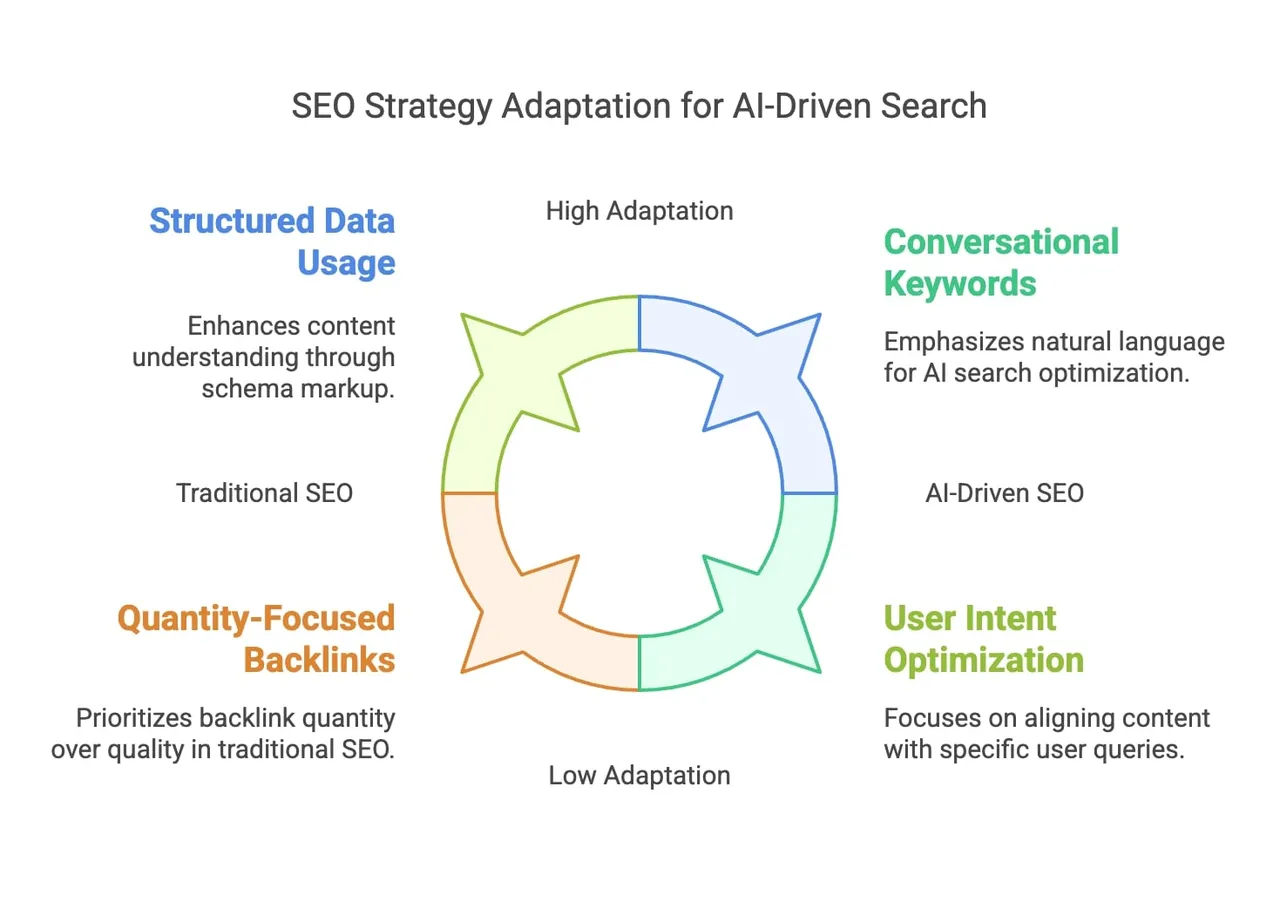
Shift to Natural Language: Emphasis on conversational keywords and phrases.
User Intent Focus: Prioritizing content that answers specific questions.
Changes in Backlink and Content Optimization Tactics:
Quality Over Quantity: AI evaluates content depth and relevance more than backlink quantity.
Structured Data Importance: Utilizing schema markup to help AI understand content context.
📌 Pro Tip: An approach I use in my work is to integrate long-tail, conversational keywords into content to align with AI-driven search preferences.
Navigating the New SEO Landscape
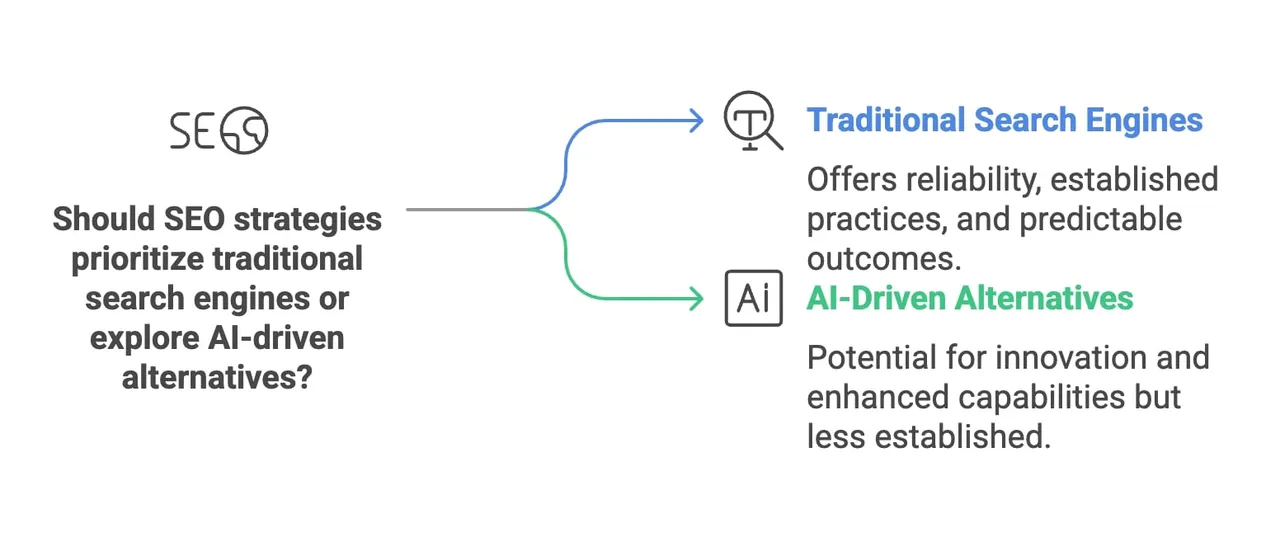
Adapting to AI-driven search doesn't mean abandoning traditional methods but enhancing them.
Adapting to AI-Driven Search Mechanisms:
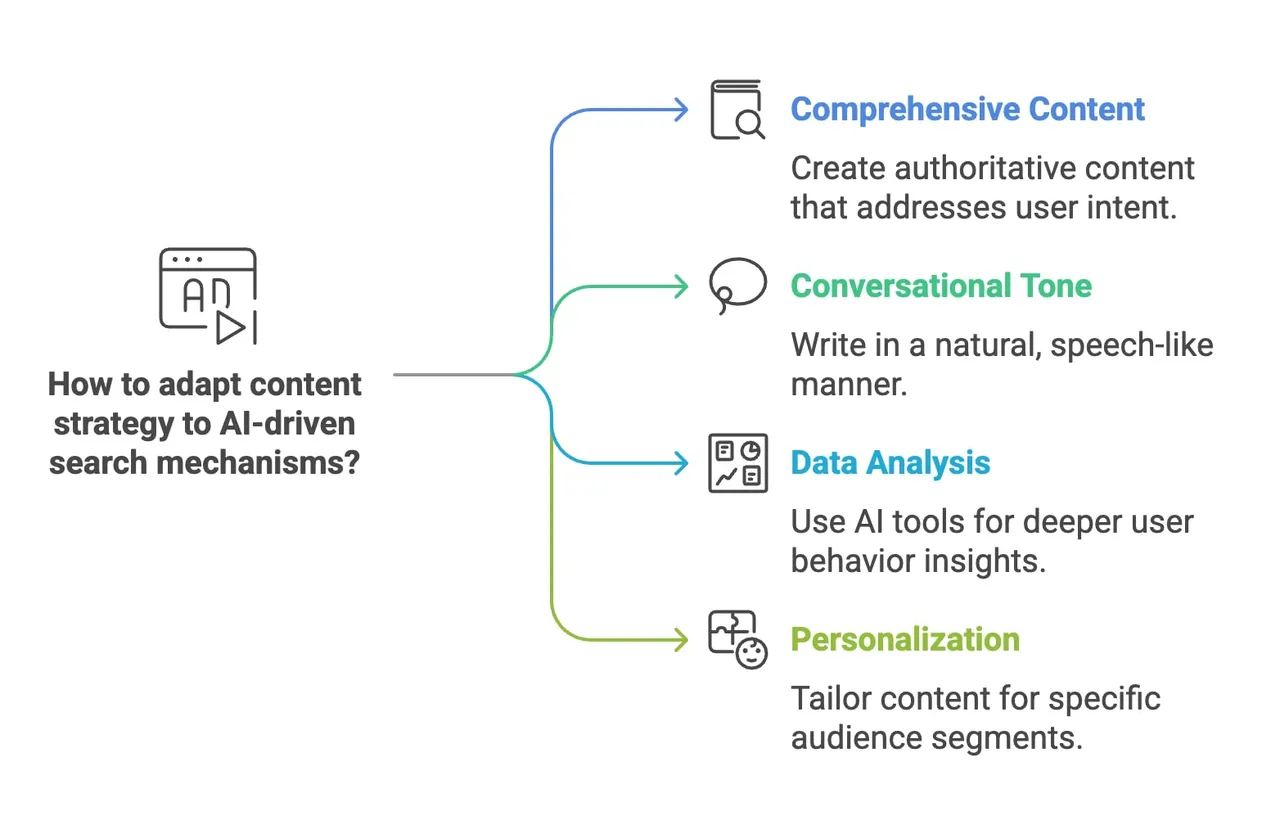
Content Strategy Evolution: Create comprehensive, authoritative content that addresses user intent.
Embrace Conversational Tone: Write in a way that mirrors natural speech patterns.
Integrating AI Insights into Traditional SEO Methods:
Data Analysis: Use AI tools to gain deeper insights into user behavior.
Personalization: Tailor content to meet the needs of specific audience segments.
💡 Expert Insight: What I've learned in my current position is that blending AI-driven tactics with traditional SEO creates a more robust strategy.
Practical Examples and Case Studies
Examining real-world applications illustrates the tangible benefits and challenges of both approaches.
📈 Case Study: DAC Group explored SearchGPT's capabilities, finding that while it excels in complex queries, traditional search engines outperform in speed and local search functionalities.
Companies Benefiting from AI-Driven Search:
Law Firm's Adaptation: A mid-sized law firm optimized content for AI-driven search, resulting in increased engagement and inquiries.
E-commerce Retailer: Shifted to concise product descriptions and saw a boost in organic traffic across AI and traditional platforms.
Comparative Analysis with Businesses Sticking to Traditional Methods:
Local Restaurant: Improved visibility by combining traditional SEO with AI-optimized content, outperforming competitors relying solely on traditional methods.
📌 Pro Tip: A challenge I've actually faced in my work is balancing content optimization for both AI-driven and traditional search engines to maximize reach.
Challenges and Considerations
While AI-driven search offers numerous advantages, it also presents challenges that SEO professionals must navigate.
Ethical and Privacy Concerns
Balancing personalization with user privacy is a critical consideration in AI-driven search.
Balancing Personalization with User Privacy:
Data Collection: AI relies on user data, raising concerns about how this data is used and protected.
Regulatory Compliance: Adhering to laws like GDPR is essential.
Ethical Implications of AI-Driven Search:
Algorithmic Bias: Ensuring AI models do not perpetuate biases.
Transparency: Being open about how AI influences search results.
⚠️ Warning: Neglecting ethical considerations can lead to legal issues and damage user trust<.
Future Trends and Predictions
Anticipating future developments helps in preparing adaptable SEO strategies.
The Evolving Role of AI in Search Technology:
Increased Integration: AI will continue to enhance personalization and accuracy.
Voice and Visual Search: Growth in these areas will influence SEO tactics.
Predictions for the Future of SEO in Light of AI Advancements:
Content Quality Emphasis: High-quality, user-focused content will be paramount.
Technical SEO Importance: Site performance and structure will remain critical.
💡 Expert Insight: I personally believe that staying ahead of AI trends is essential for long-term SEO success.
Challenges and Considerations
While the integration of AI-driven search mechanisms like SearchGPT offers significant advantages, it also presents unique challenges and considerations that SEO professionals must address.
Ethical and Privacy Concerns
As AI becomes more embedded in search technology, concerns about user privacy and ethical implications arise.
Balancing Personalization with User Privacy:
Data Collection: AI-driven search relies heavily on collecting and analyzing user data to personalize results.
User Consent: Ensuring users are aware of data collection practices is essential.
Data Security: Protecting user information from breaches and misuse.
Regulatory Compliance:
GDPR: Adhering to the General Data Protection Regulation standards in the EU.
CCPA: Compliance with the California Consumer Privacy Act for users in California.
Ethical Implications of AI-Driven Search:
Algorithmic Bias:
Bias in Training Data: AI systems can inherit biases present in their training datasets.
Fair Representation: Ensuring that results are unbiased and fair across different demographics.
Transparency and Accountability:
Explainability: AI models like SearchGPT can be black boxes, making it hard to understand how decisions are made.
Accountability: Establishing who is responsible for AI-generated content.⚠️ Warning: Neglecting ethical standards can lead to legal repercussions and damage to brand reputation. I must say, it's crucial for SEO professionals to prioritize these concerns in their strategies.
Conclusion
Key Takeaways
AI-Driven and Traditional Search Serve Different Needs: Understanding both allows for a comprehensive SEO strategy.
Adaptation Is Crucial: SEO professionals must evolve strategies to incorporate AI advancements.
Ethical Considerations Matter: Privacy and transparency are essential in building user trust.
I've learned this firsthand and I'm eager to pass it on to you: Embracing both AI-driven and traditional search mechanisms positions you to navigate the evolving SEO landscape effectively.
Call-to-Action
I encourage you to explore AI-driven search tools like SearchGPT and consider how they can enhance your existing SEO strategies.
Experiment with AI Tools: Test how your content performs on AI-driven platforms.
Stay Informed: Keep up with industry developments to adapt proactively.
Frequently Asked Questions (FAQs)
To address common queries and provide clarity on the comparative analysis of SearchGPT vs. Traditional Search, here are answers to some frequently asked questions that SEO professionals might have.
1. How does SearchGPT differ from traditional search engines like Google or Bing in terms of user experience?
SearchGPT and traditional search engines offer different user experiences based on their design and technology.
ClaudeBot crawls 23,951 pages per referral. GPTBot: 1,276:1. I analyzed Cloudflare Radar data to measure which AI crawlers and LLM bots extract the most from publishers — and what it means for your GEO strategy.
Master ChatGPT for SEO with 50+ proven prompts for keyword research, content optimization, and competitor analysis. Based on real results from 150+ blog posts achieving 47% average traffic growth.

 Nick Sawinyh